

When handling large and heavy products at high cycle rates, our feeding and stacking systems significantly support the manufacturing process.
Feeding and Stacking Systems
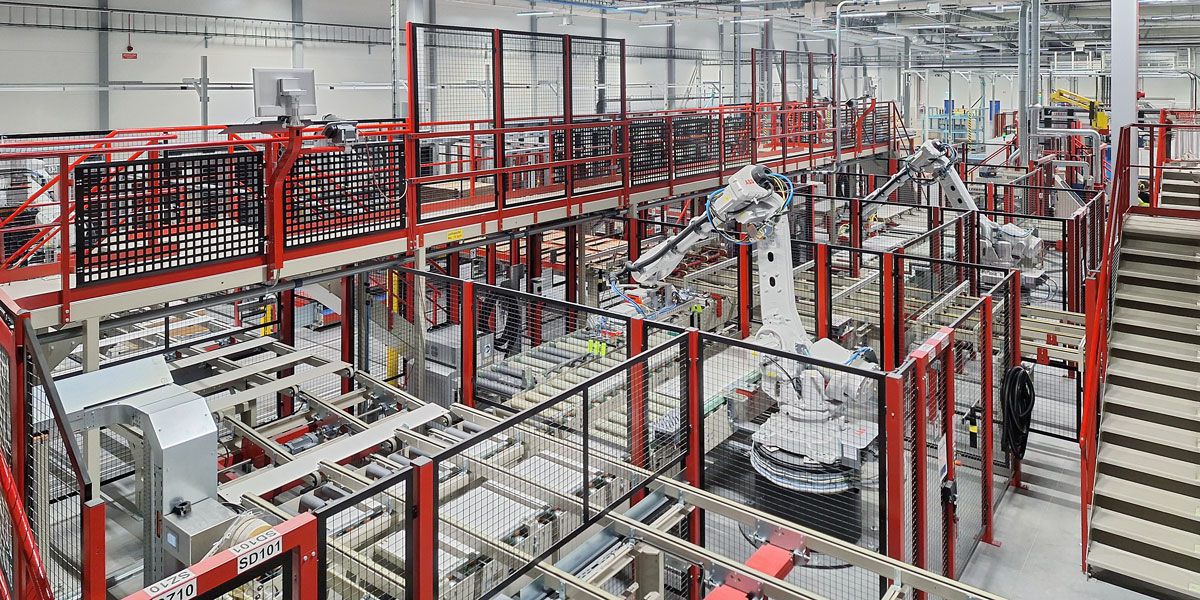
These machines are usually positioned before and after production equipment, ensuring a smooth flow of materials and playing a crucial role in the fast and cost-efficient operation of the entire plant. The systems are equipped with various gripping, suction, and lifting mechanisms to optimally meet product-specific requirements.
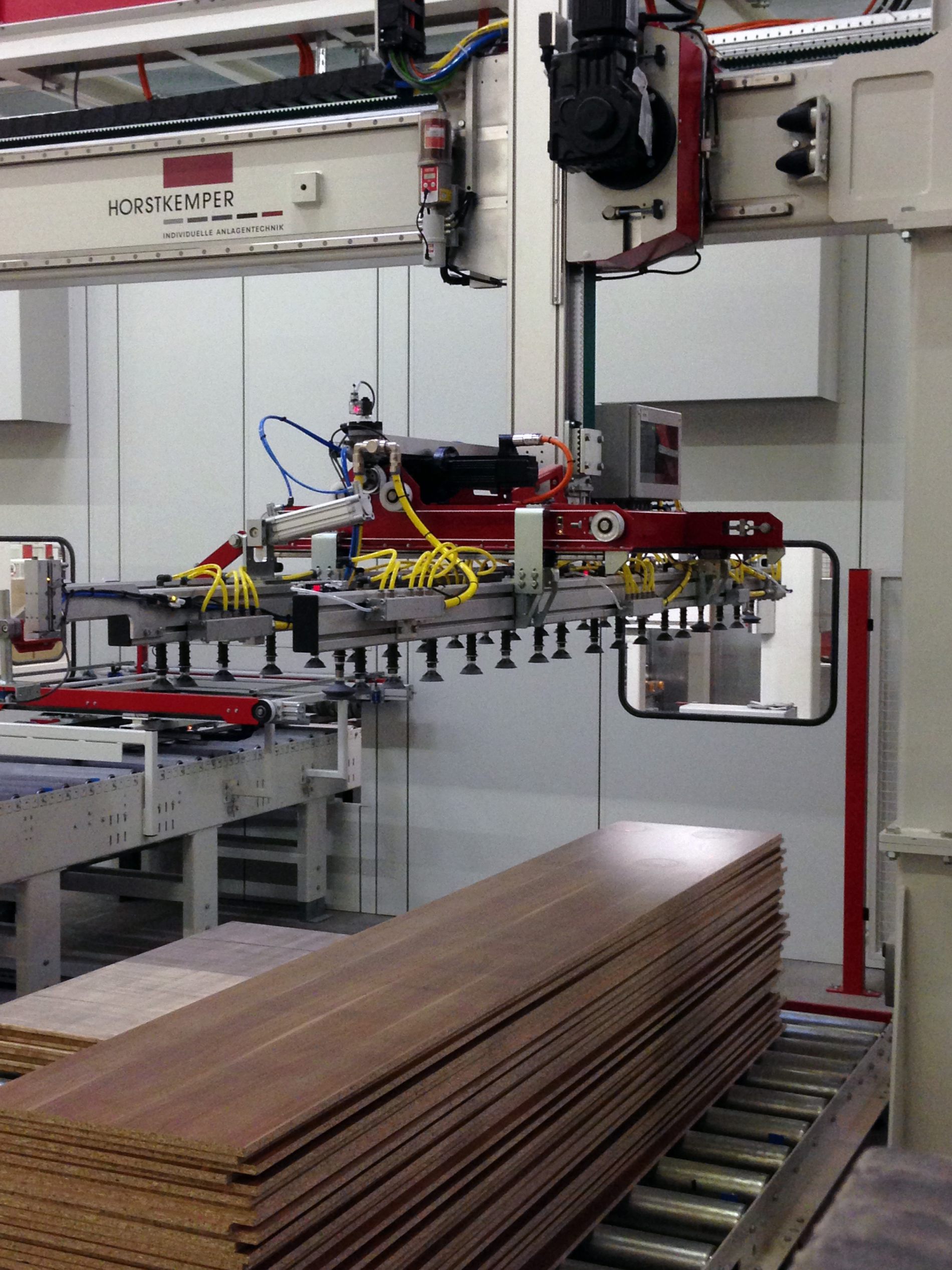
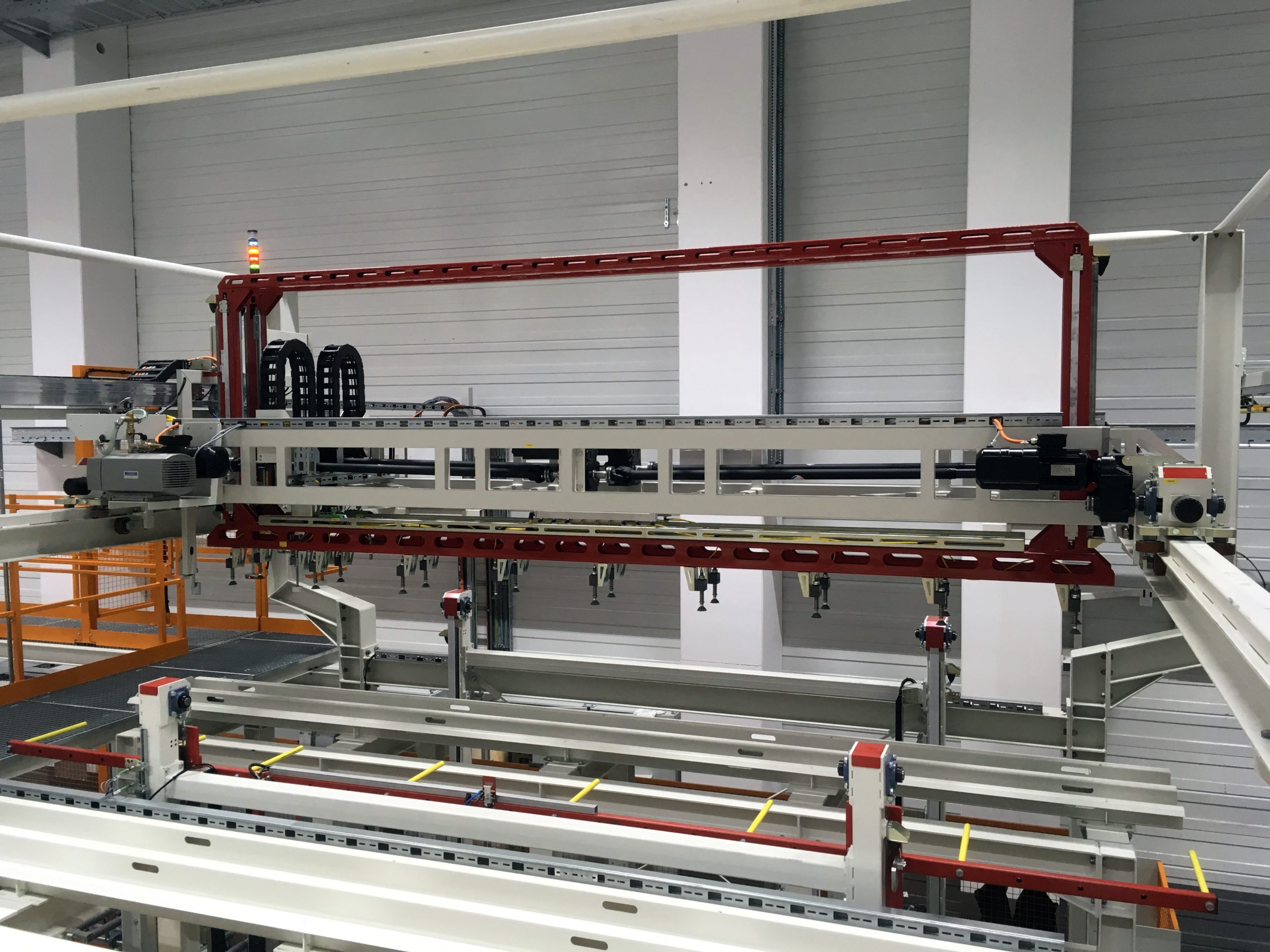
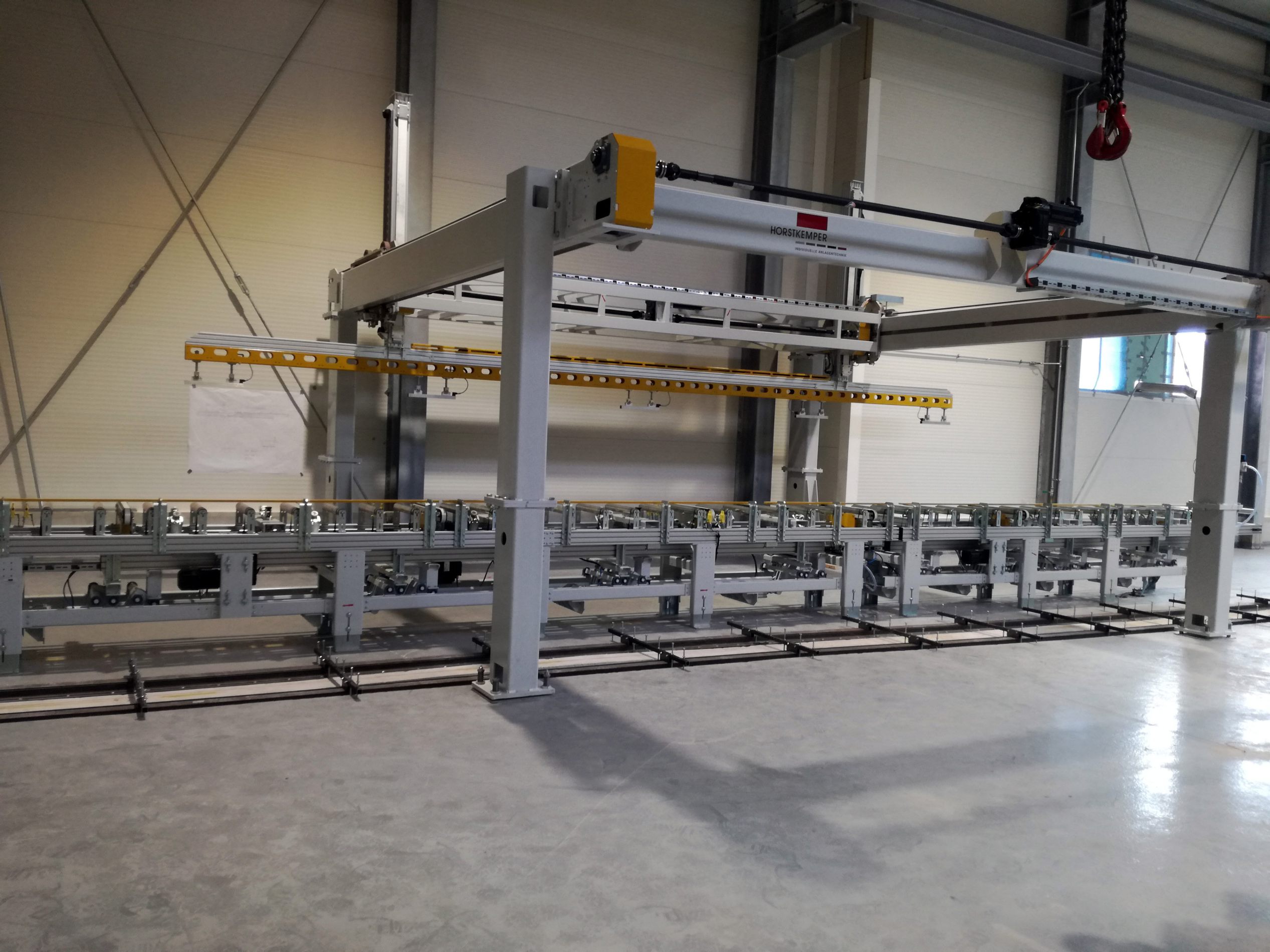
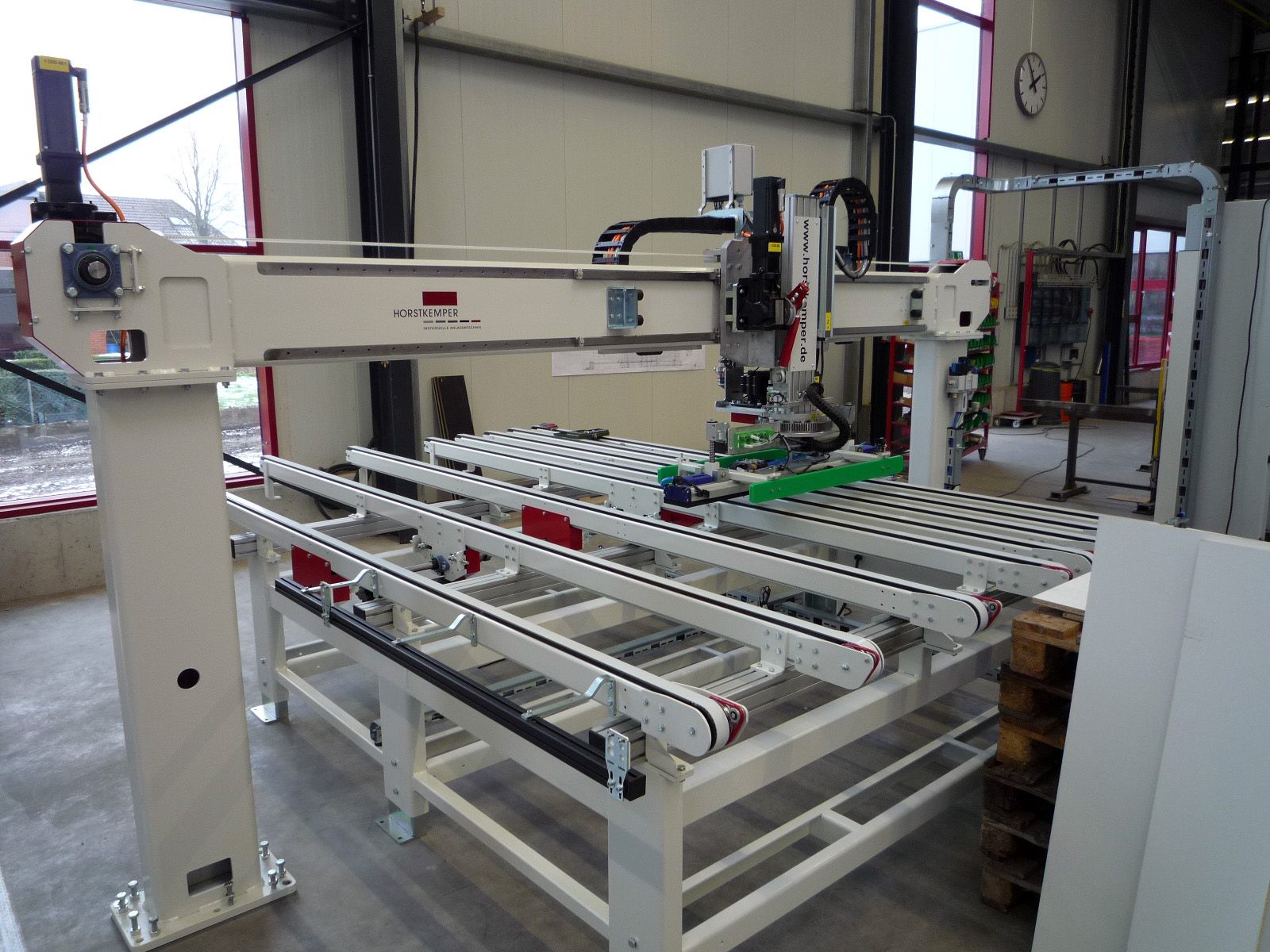
HORSTKEMPER's gantry feeder systems serve as feeding and unloading systems for planar workpieces as well as a wide variety of materials such as wood, furniture components, insulation panels, films, and sheet metal in production lines, material flow, and logistics systems.
When planning handling and conveying systems, system performance, batch sizes, stacking specifications, and positional accuracy are taken into account. The modular design enables systems with up to five axes and customized manufacturing solutions. Robustness, durability, and a good price-performance ratio ensure high process reliability and cost-effectiveness.
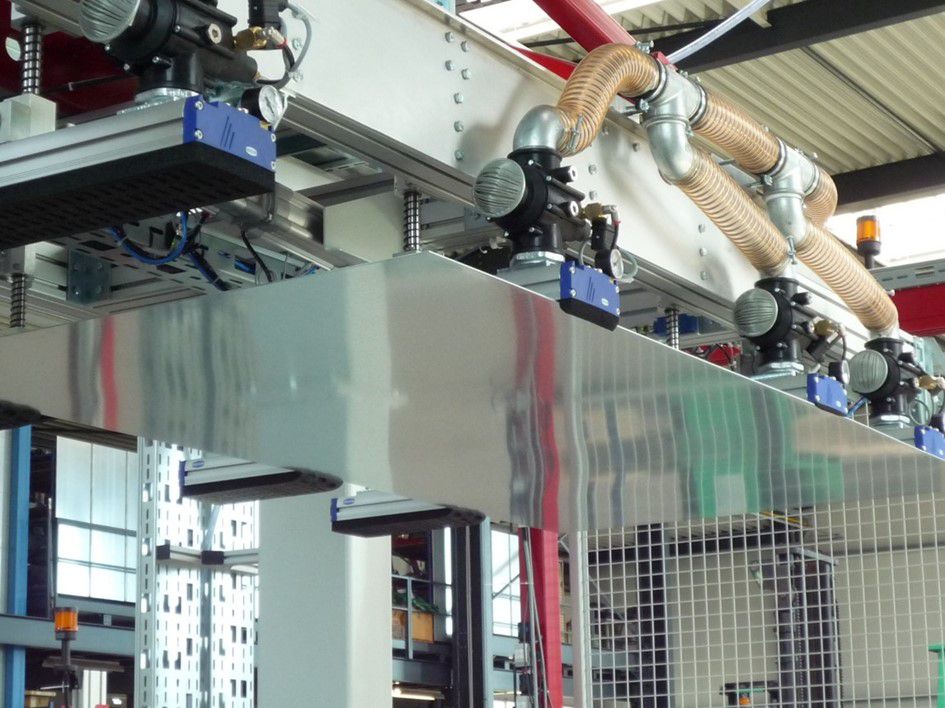
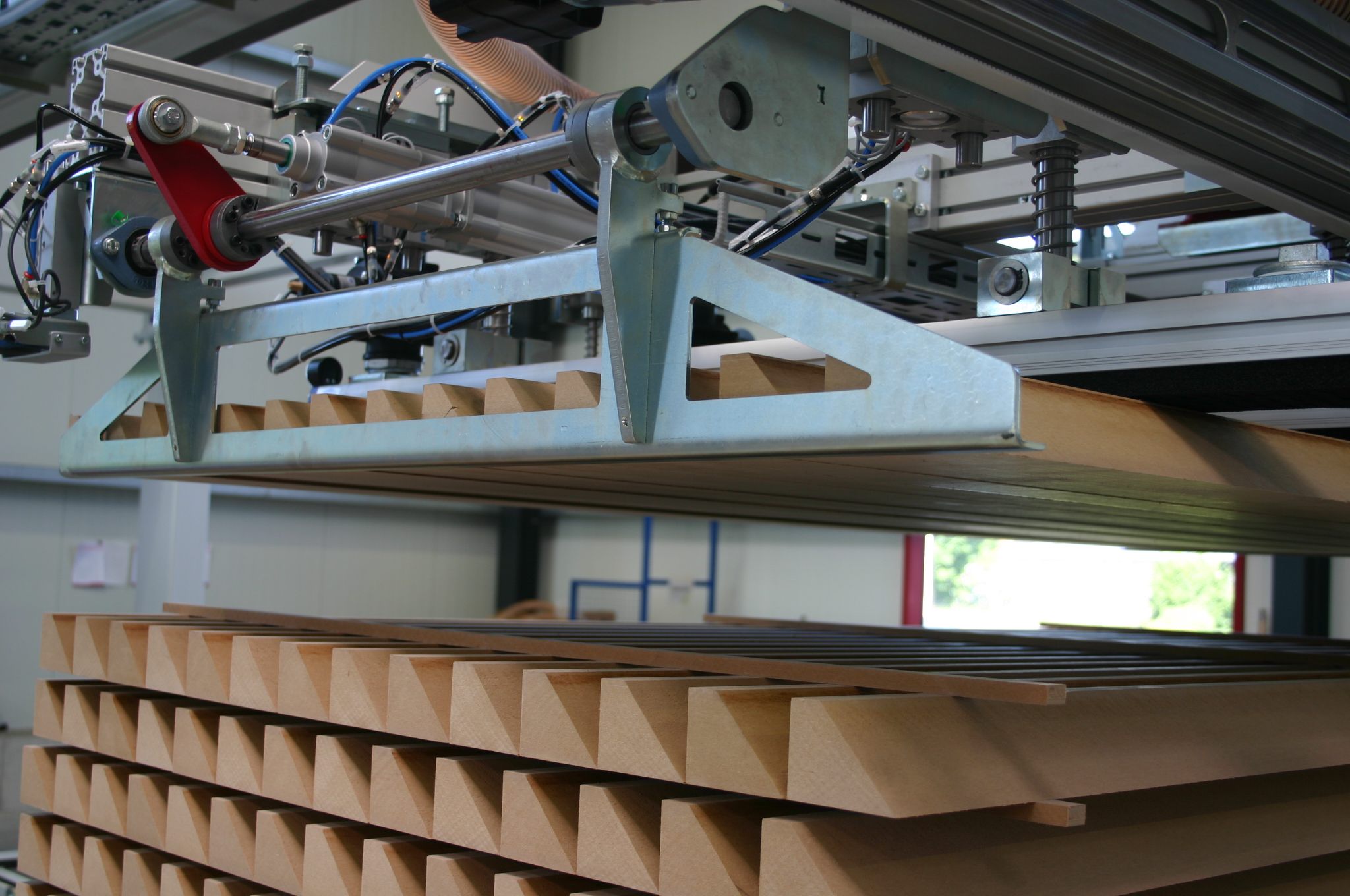
Many manufacturing processes still involve manual handling operations in which workpieces or materials are lifted, stacked, or positioned by hand. Automation can significantly improve working conditions, ergonomics, and workflow.
Drawing on our many years of experience in vacuum and gripper lifting technology, we develop customized, process-optimized, and energy-efficient solutions. From hydraulic and pneumatic clamping systems to various vacuum generating methods, we offer the right automation solution for every manufacturing process.
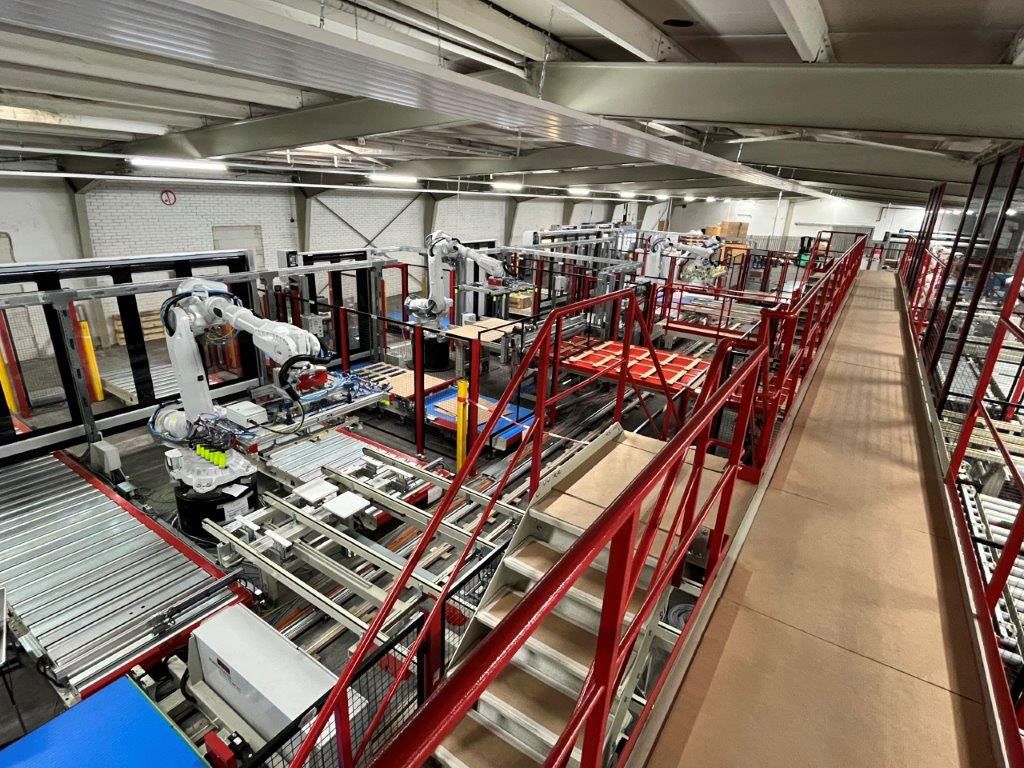
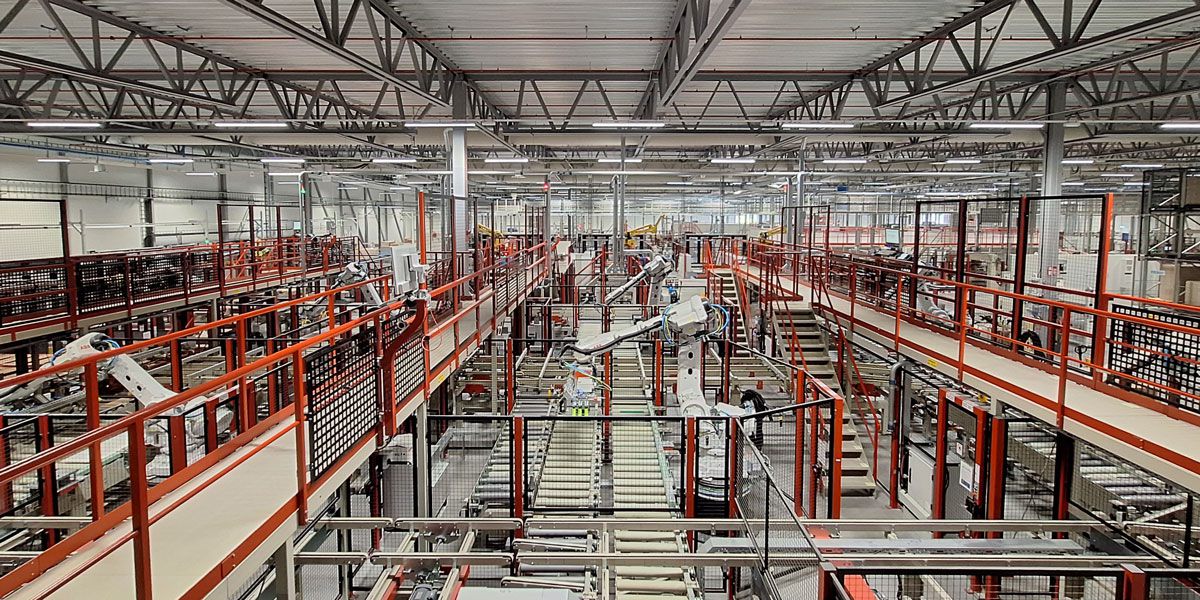
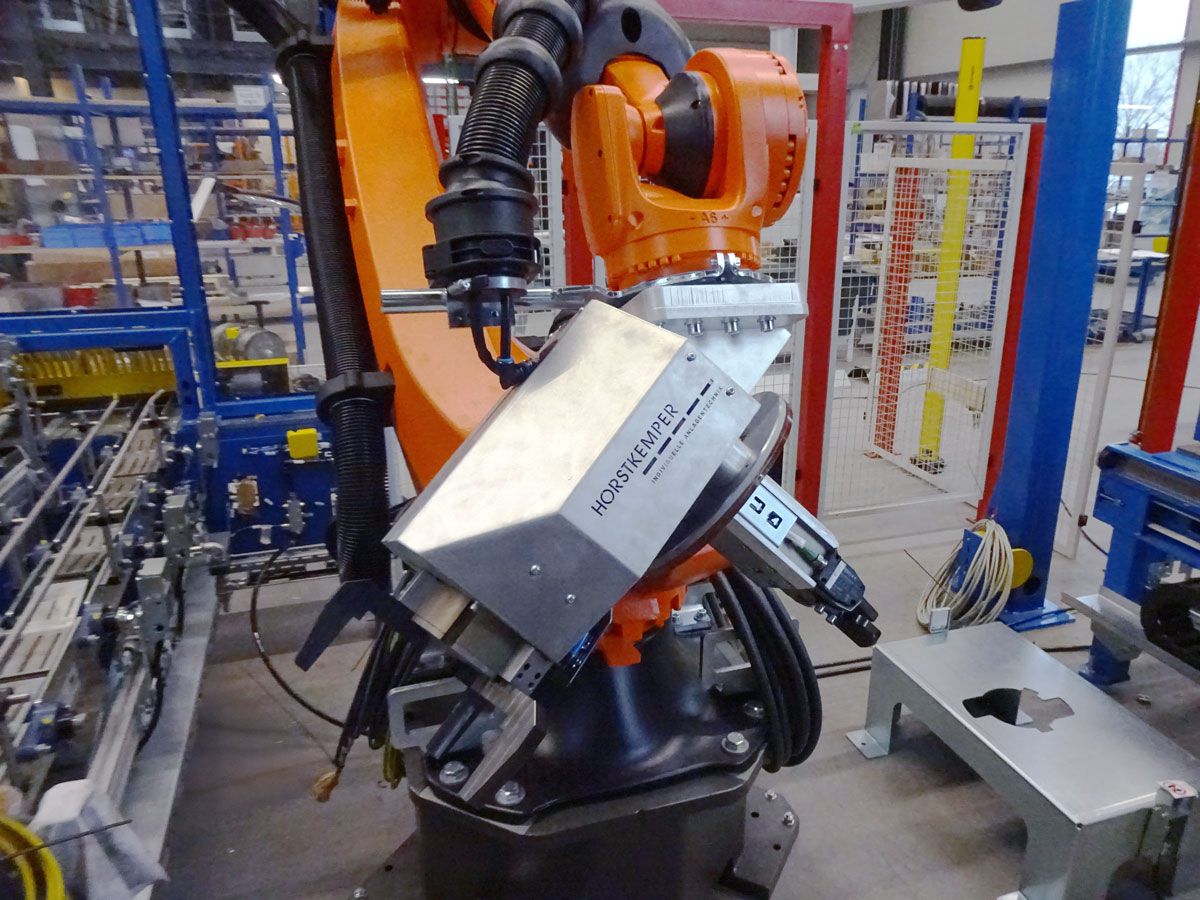
Our robot applications enable the efficient and reliable automation of a wide variety of handling processes. In the wood and furniture industry, these include stacking and destacking panels as well as freeing stacks of timbers, bands, and packaging materials made of cardboard or plastic. In addition, we implement robot-assisted solutions for picking and labeling products.
By using modern systems for position and feature recognition, we ensure precise process control and high flexibility even when requirements change. We design and manufacture the tooling and gripping systems required for this purpose in-house, tailoring them individually to the specific application and the product to be handled.
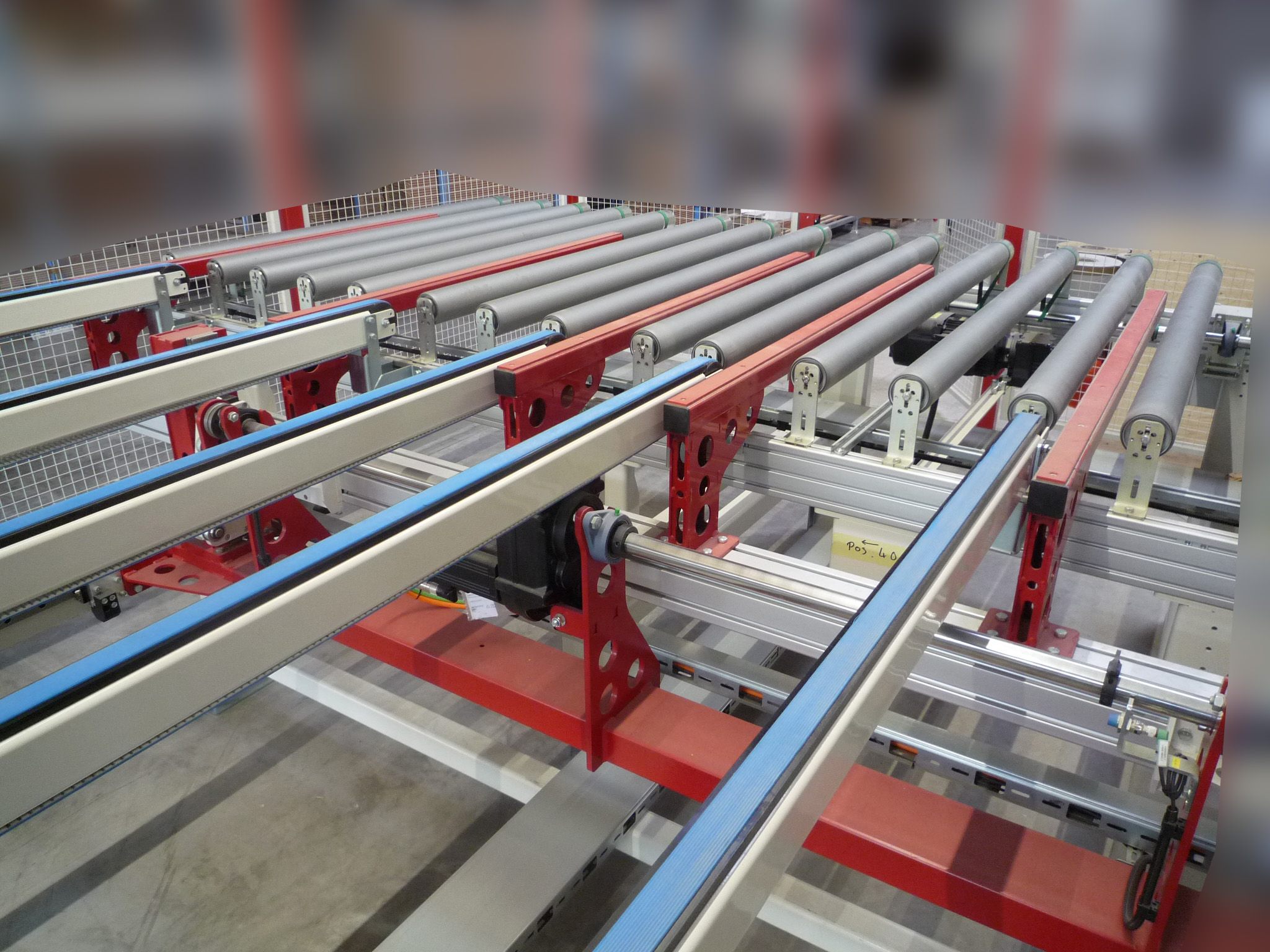
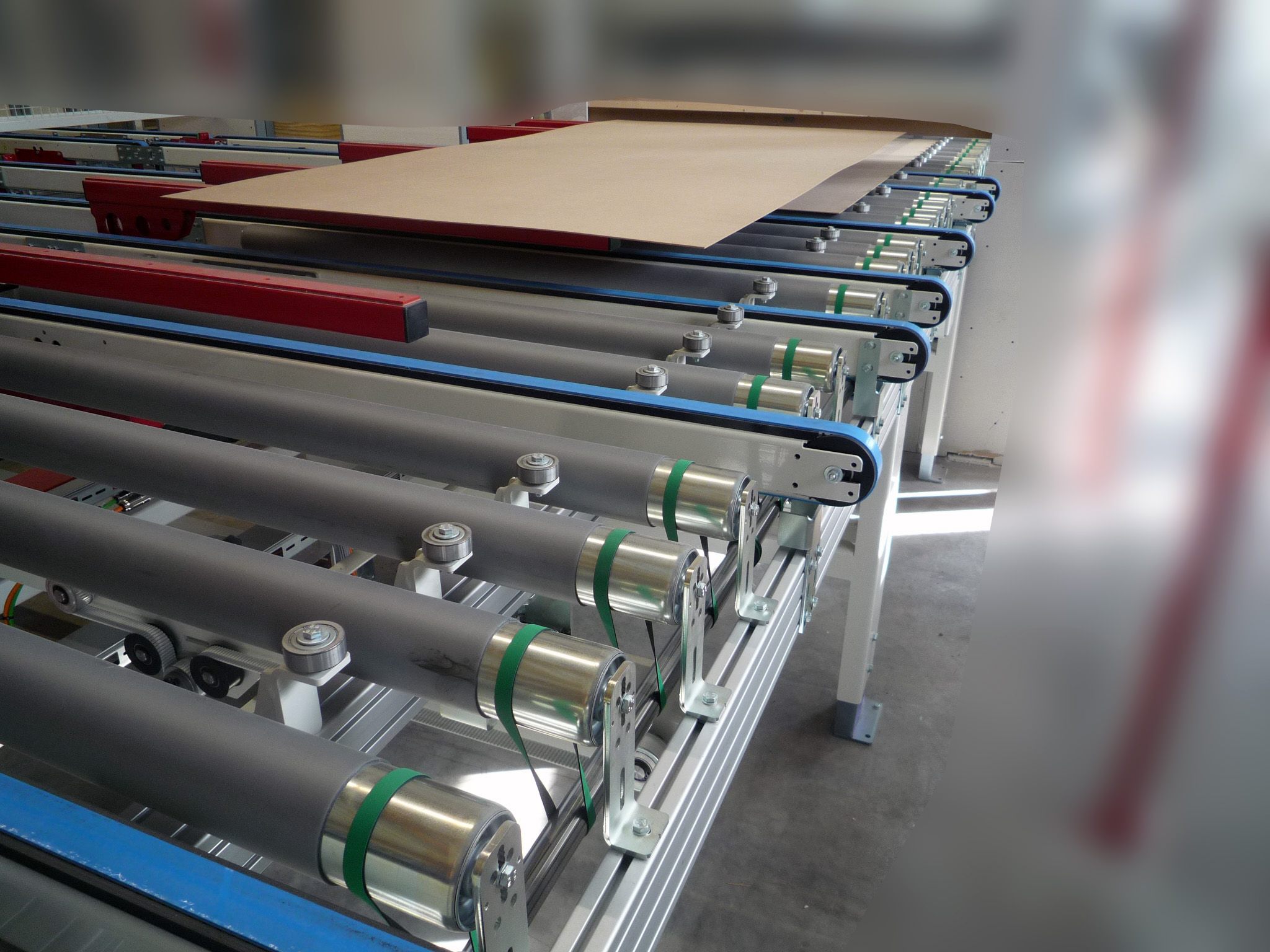
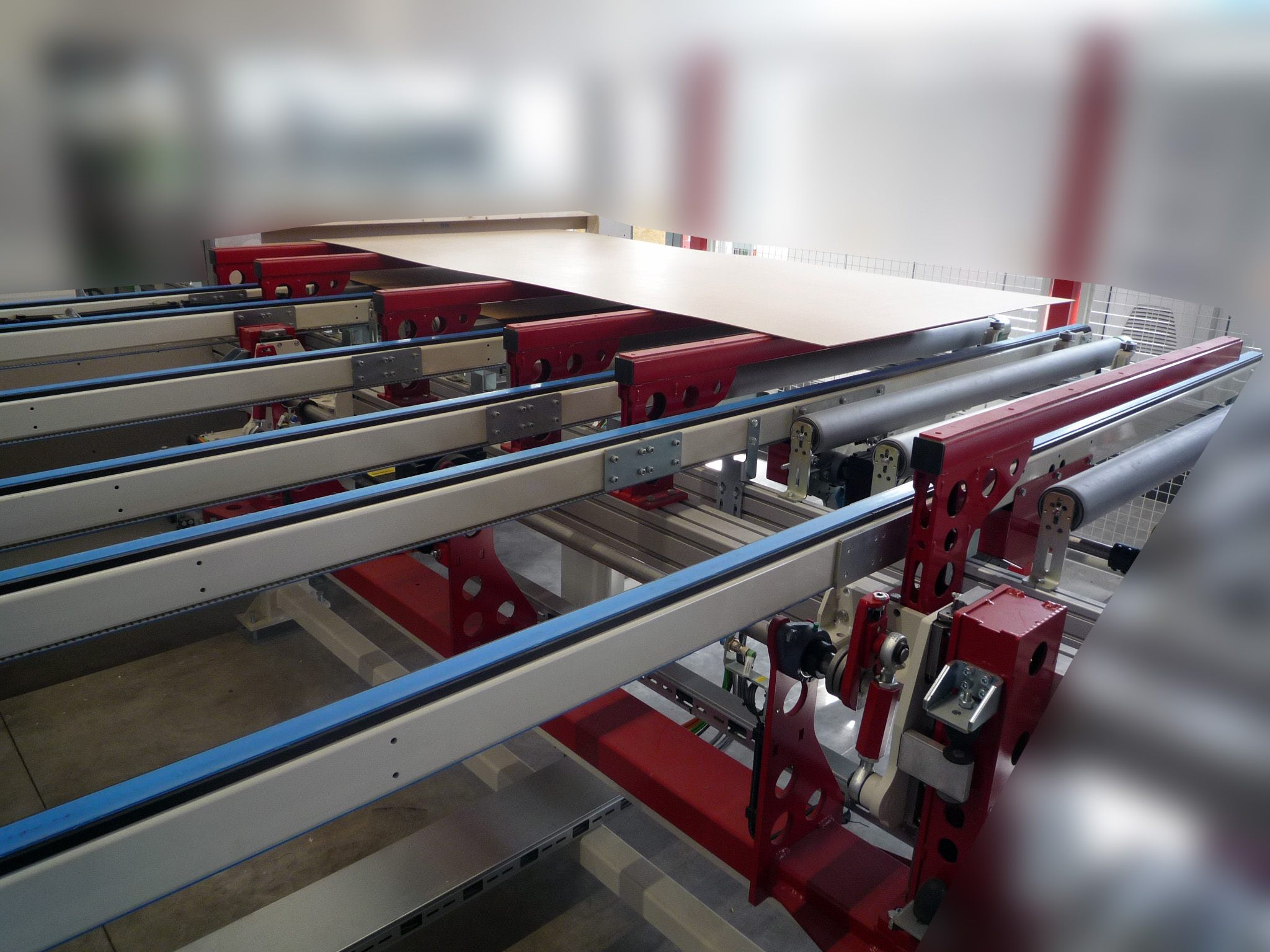
Lifting rakes are used in feeding systems that are arranged at a 90° angle to one another. This allows for a space-saving installation in confined spaces.
It ensures high production rates, since new products are fed in right after the previous ones and the conveyor line for loading or unloading is immediately available for futher products. A further increase in efficiency is achieved through a double rake, whose components are controlled in tandem in pedal mode.
Separation
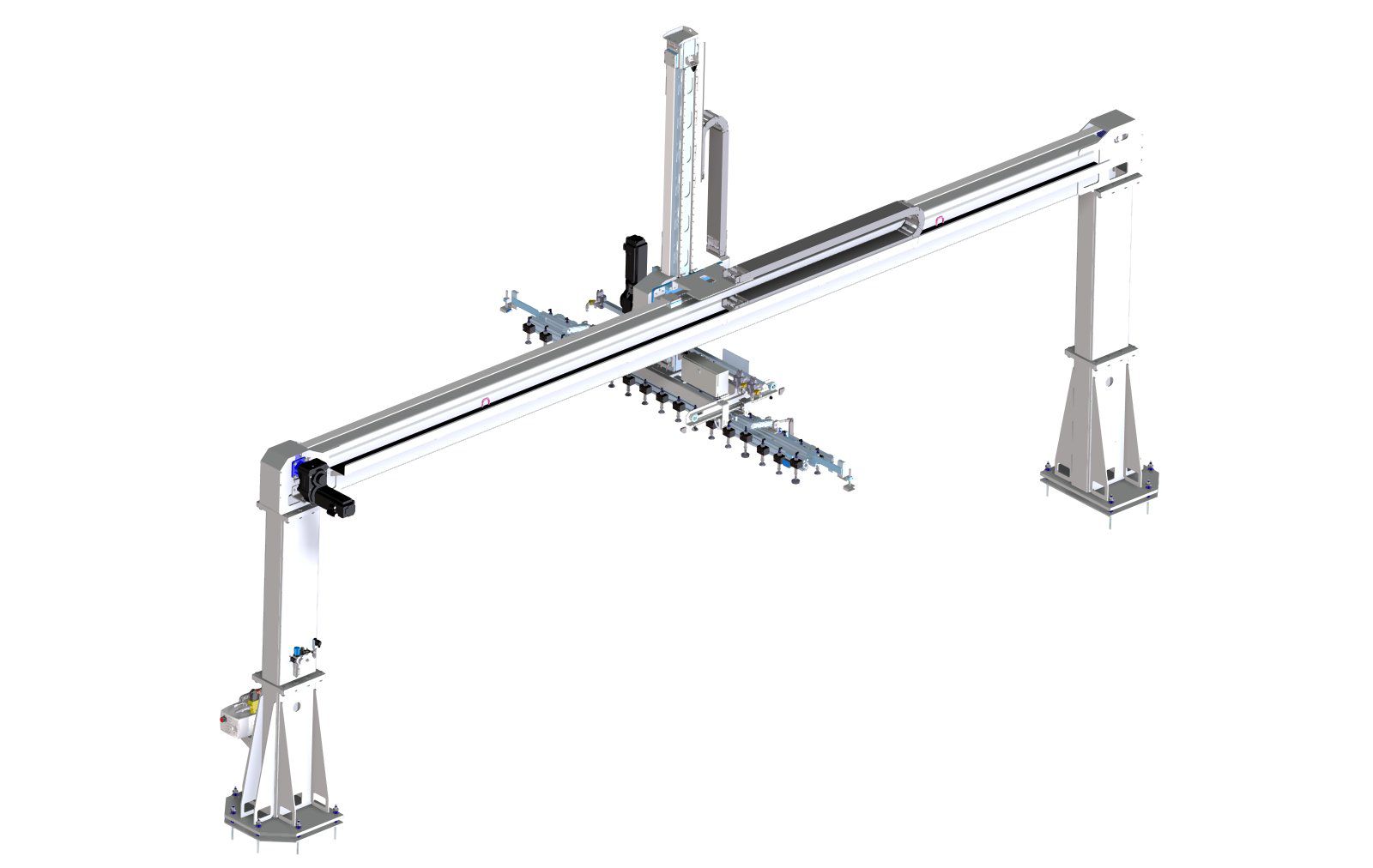
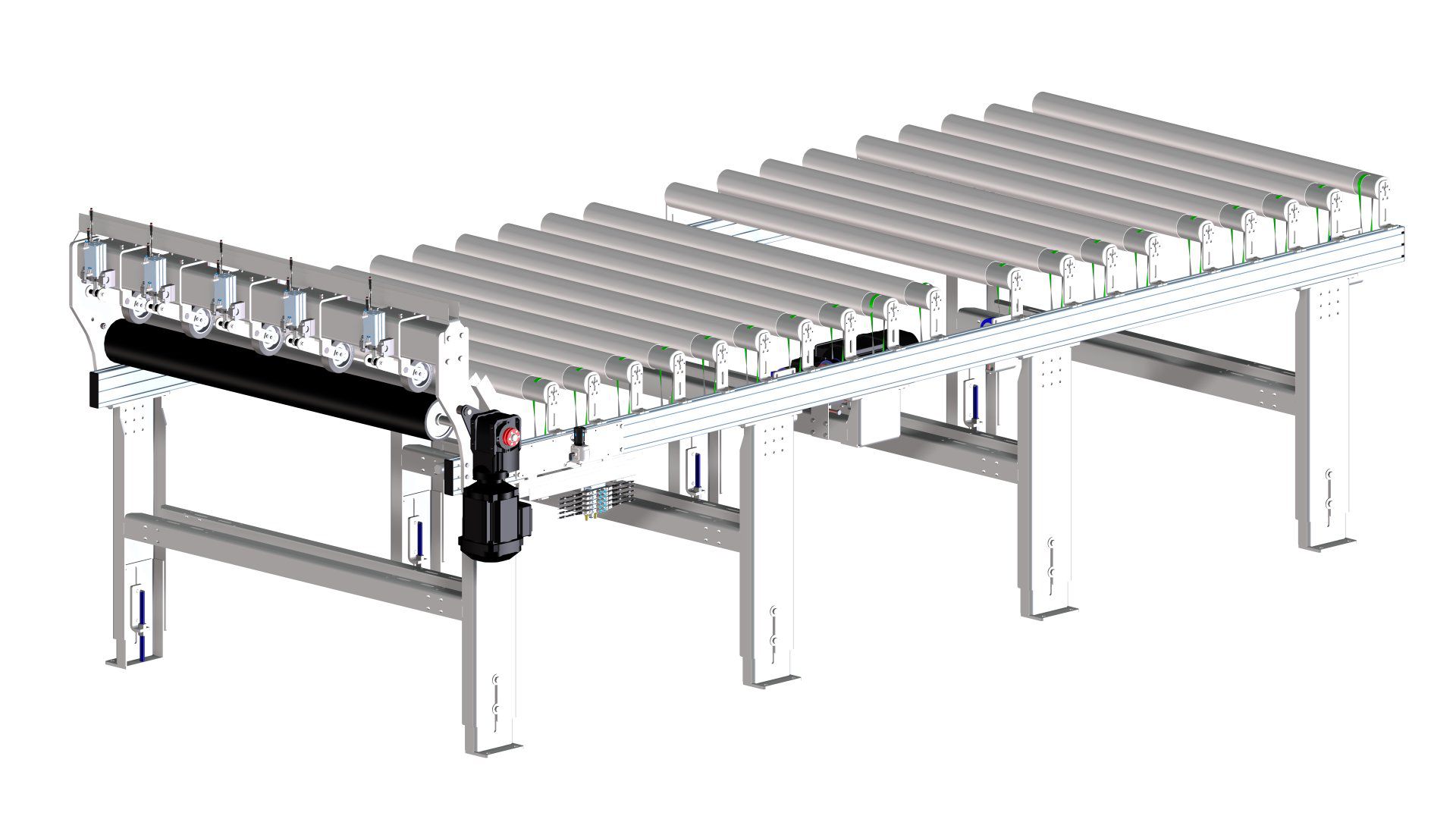
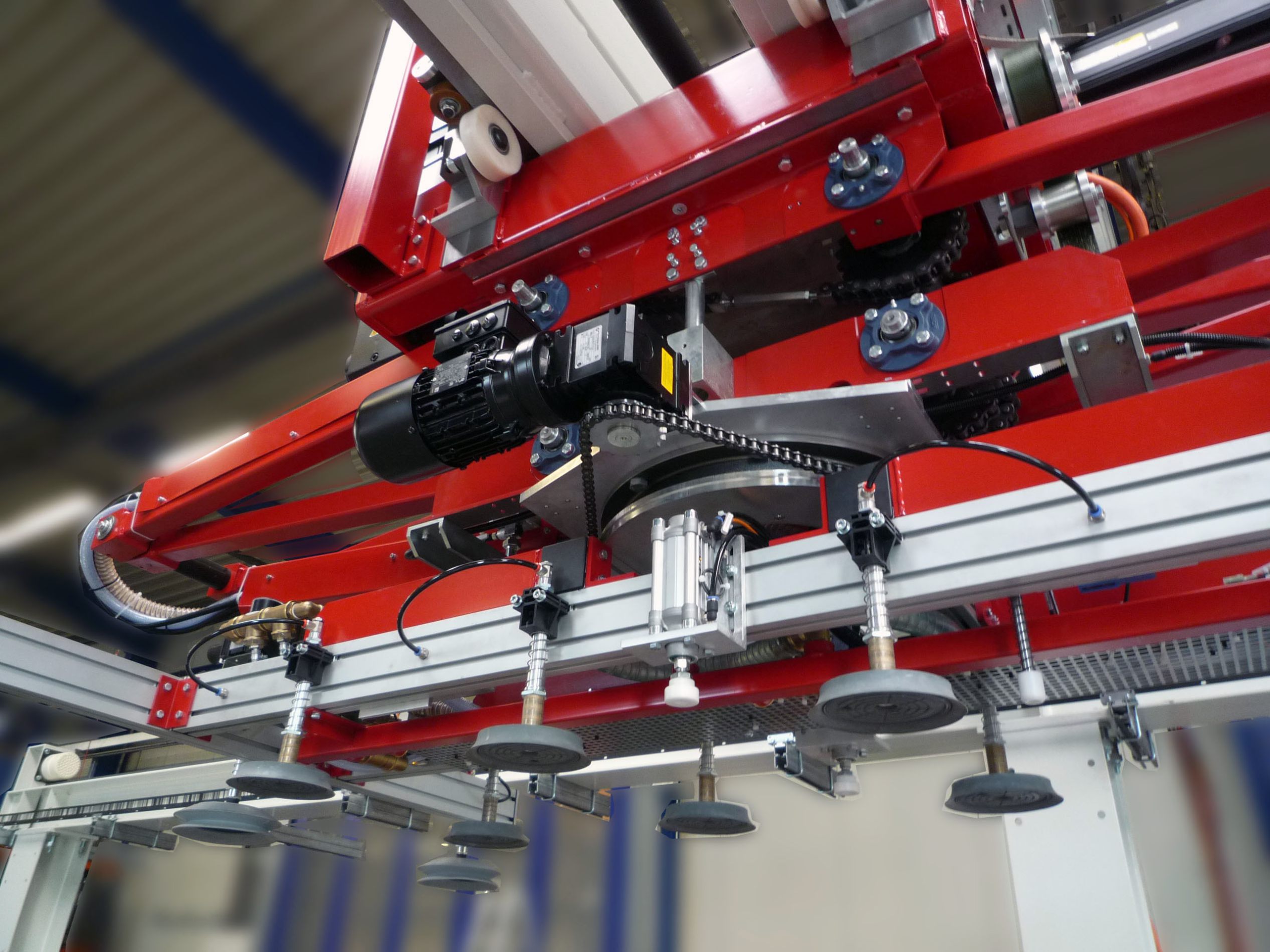
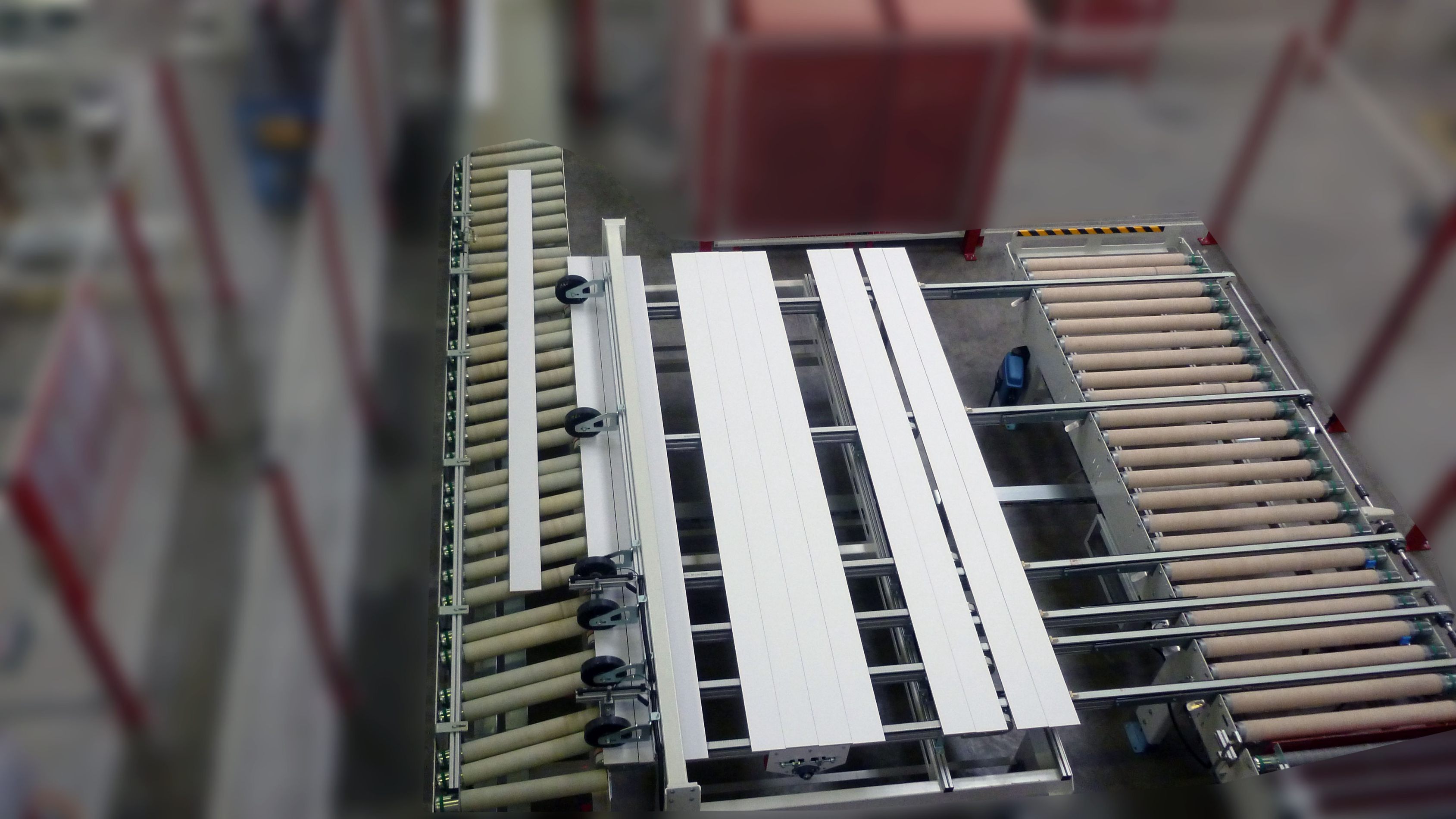
In most feeding or destacking systems, the raw material is fed in via specialized conveyor systems, such as roller conveyors. Once positioned beneath the gantry or the robot, it is then ready for feeding.
Depending on the requirements, stacks of raw panels are separated using various systems, such as:
- Pushers
- Vacuum systems
- Gripper systems
- Pressure rollers
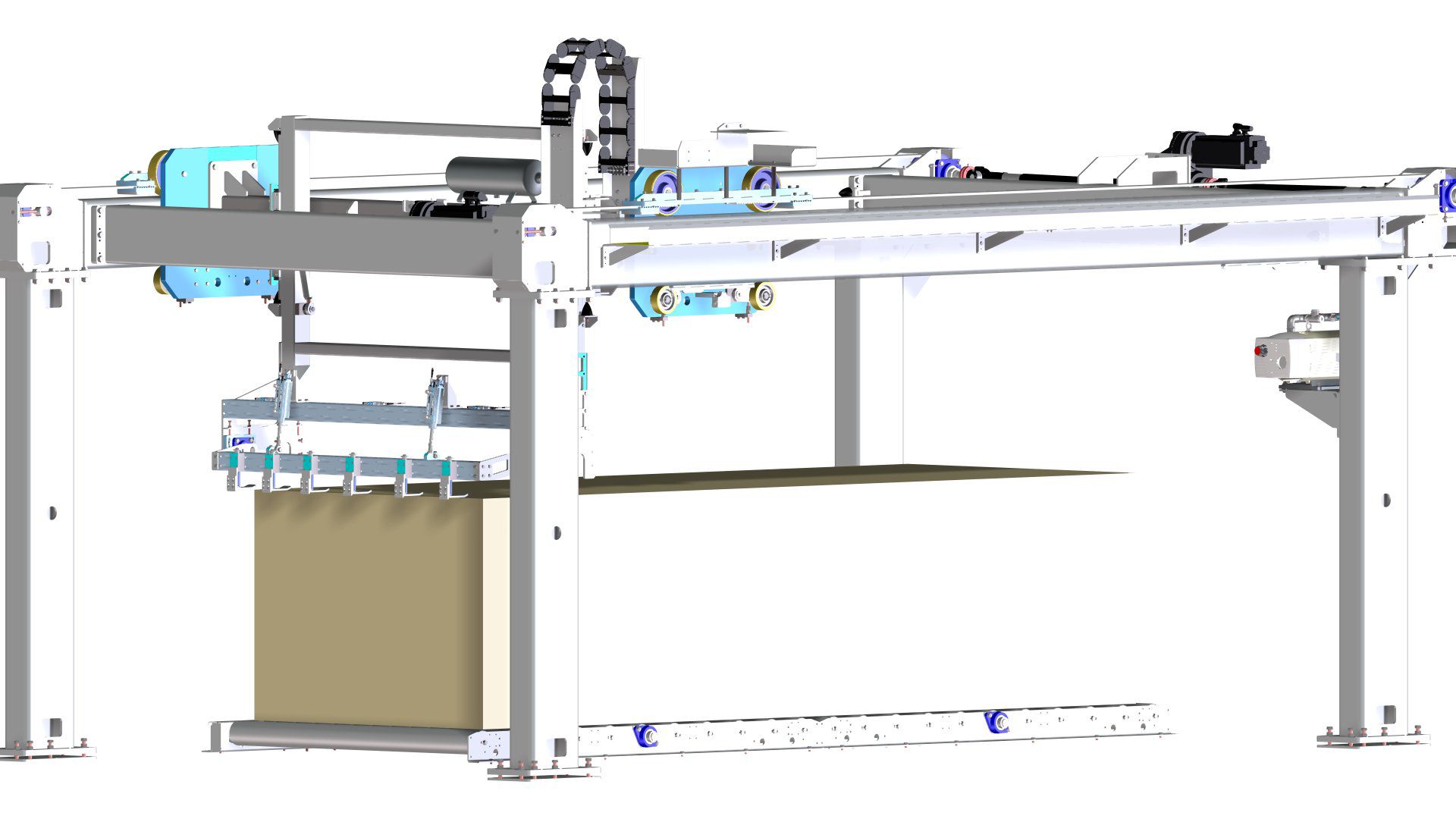
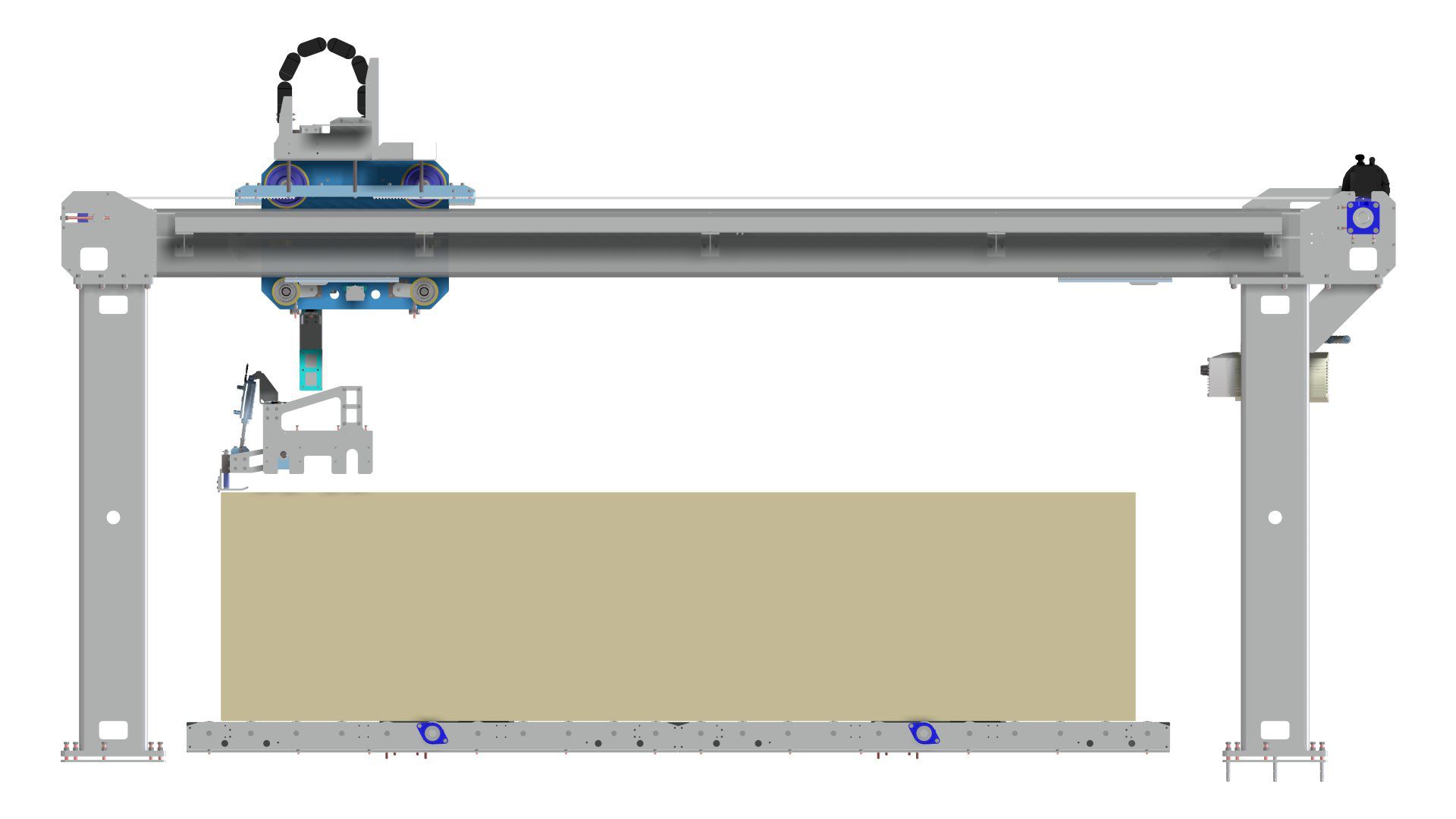
For feeding systems with pushers, a resistant surface is essential. The wooden panels are pushed against one another, which separates the stack.
The pusher devices can be designed as rigid units or as fully automatic, plate-thickness-dependent versions.