

HORSTKEMPER offers a range of different feeder systems for the automation of press lines.
Interpress Automation
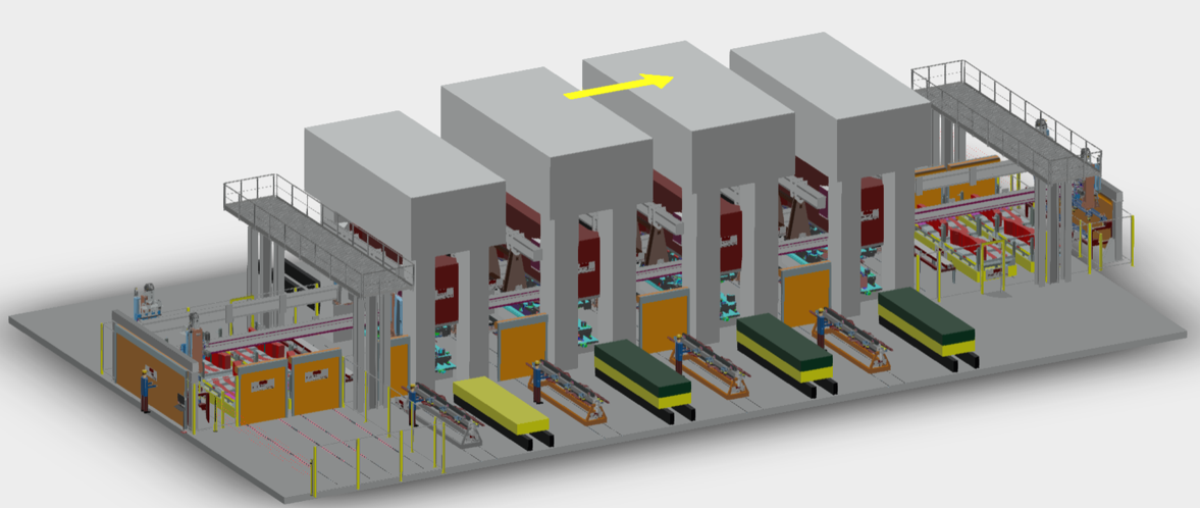
These include linear-axis-based systems for hydraulic presses and highly dynamic multi-axis systems for linking presses. We select the optimal solution depending on the application. The feeder systems ensure fast, reliable workpiece transport between the press stages.
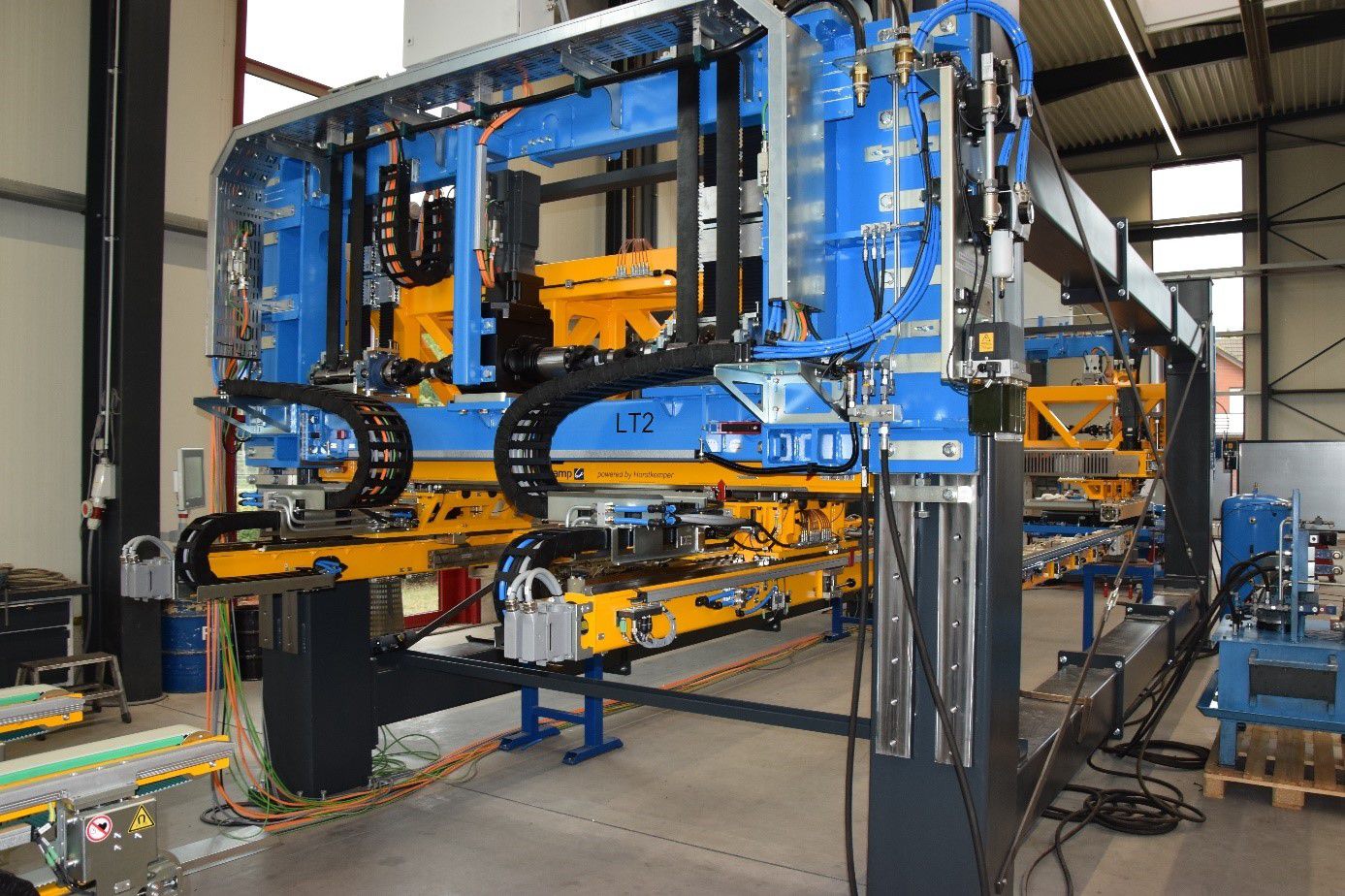
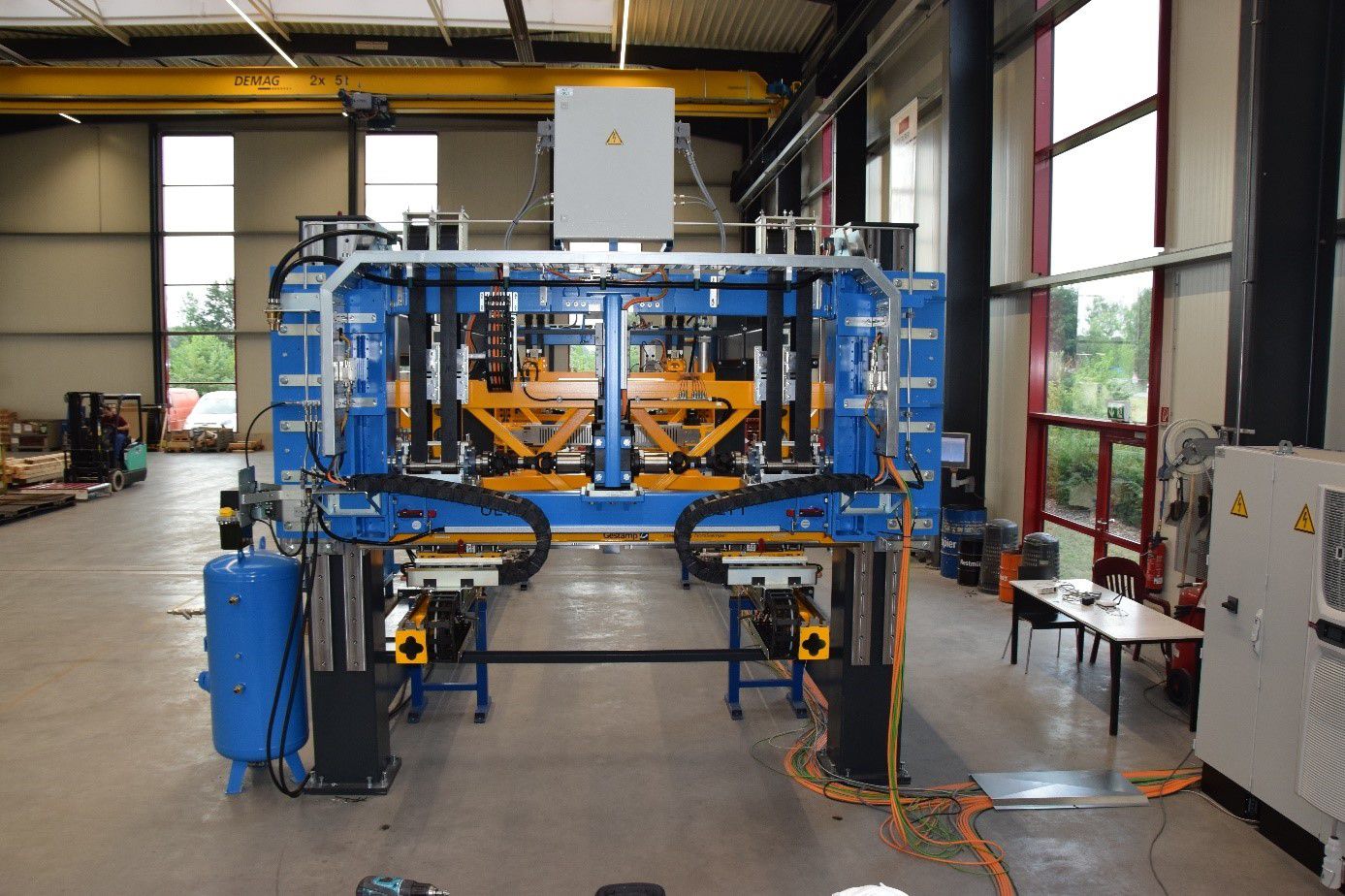
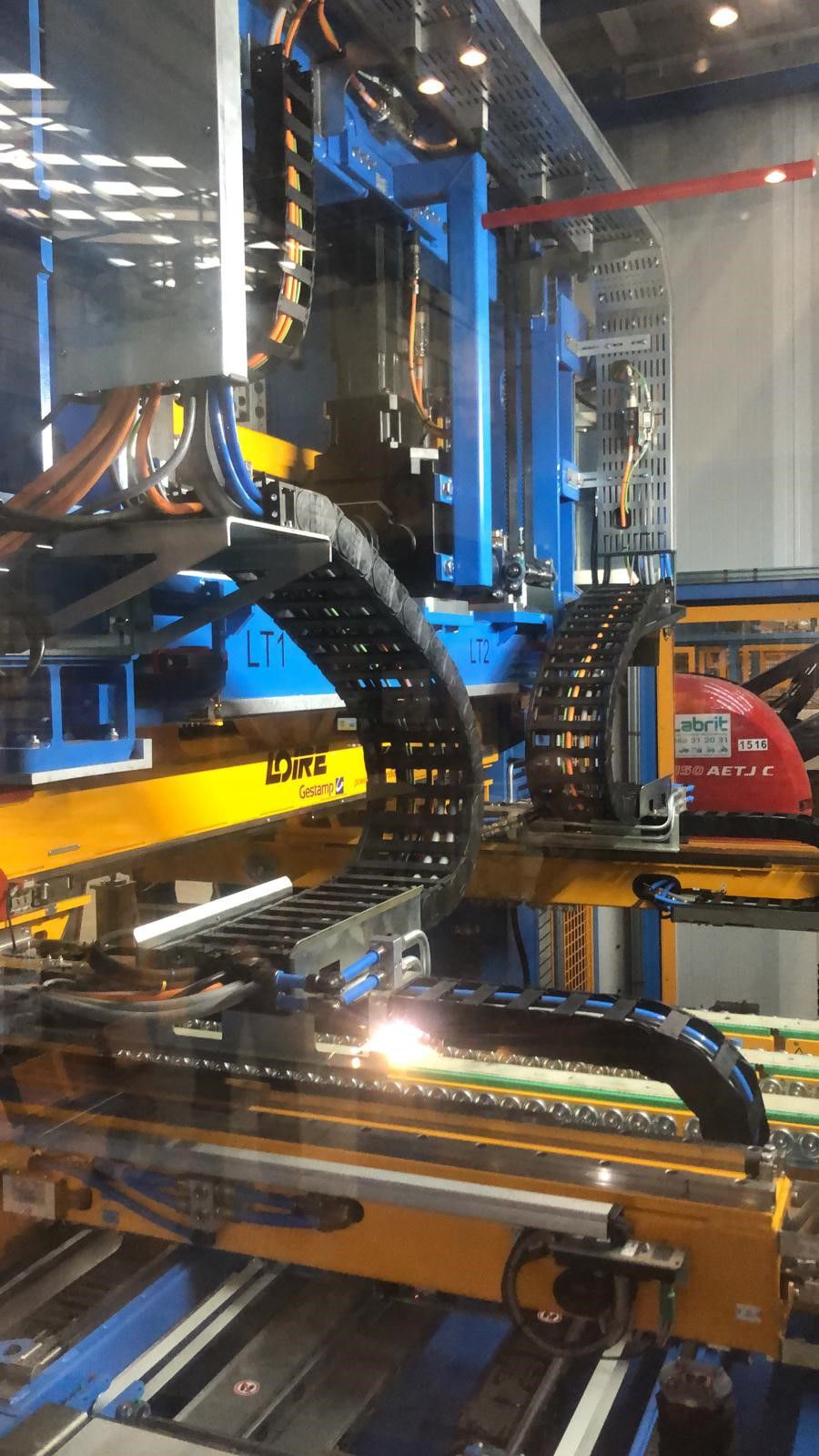
HORSTKEMPER supplies 3D transfer systems for servo-mechanical transfer presses and large-part progressive presses with multi-point press rams. Depending on the application, these fully electronically controlled systems feature 6–12 servo axes, can be synchronized and achieve up to 30 strokes per minute. Automatic transfer bar change is standard.
3D-transfer systems may easily be combined with destackers and coil lines, so that ProgDie-operation, besides mere transfer operation, is possible. Especially within a retrofit of existing transfer presses, we would be more than happy to design a tailor-made solution for an efficient transfer system.
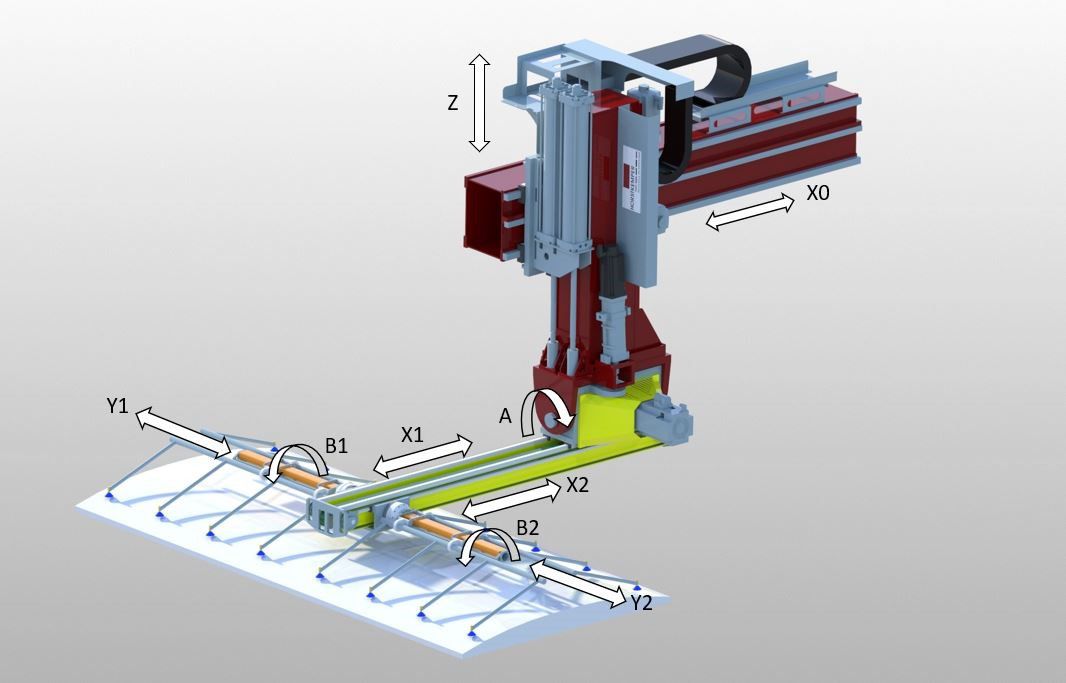
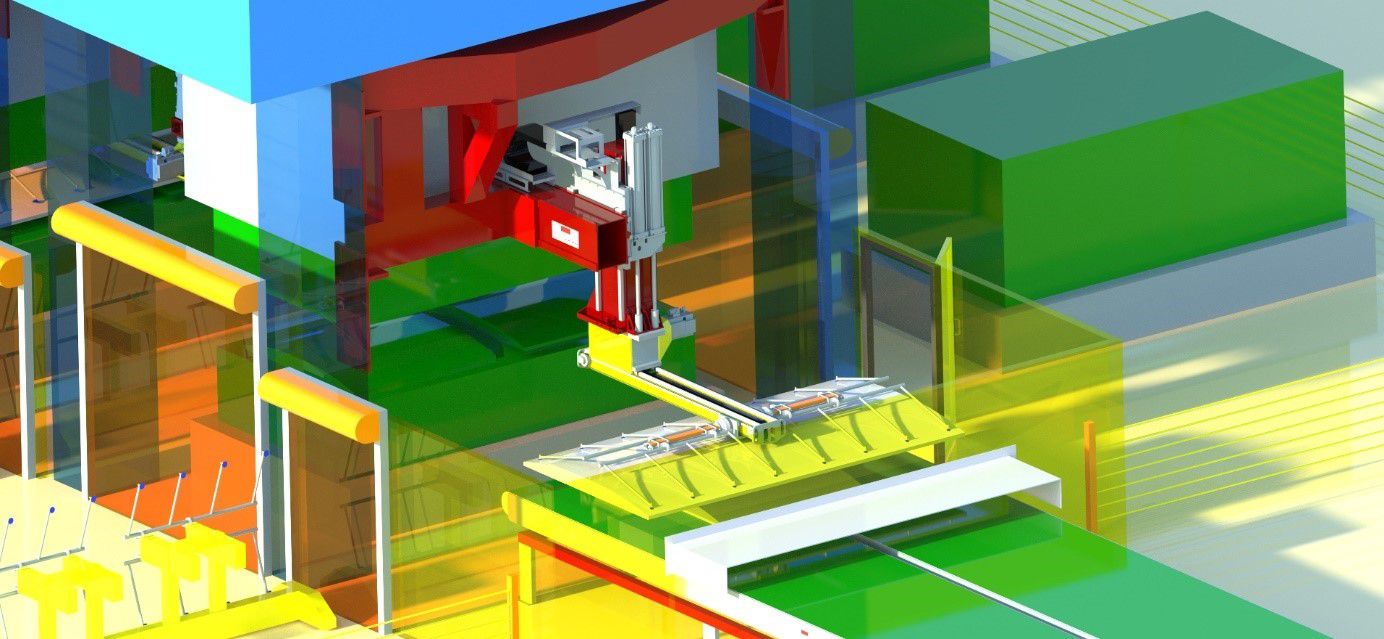
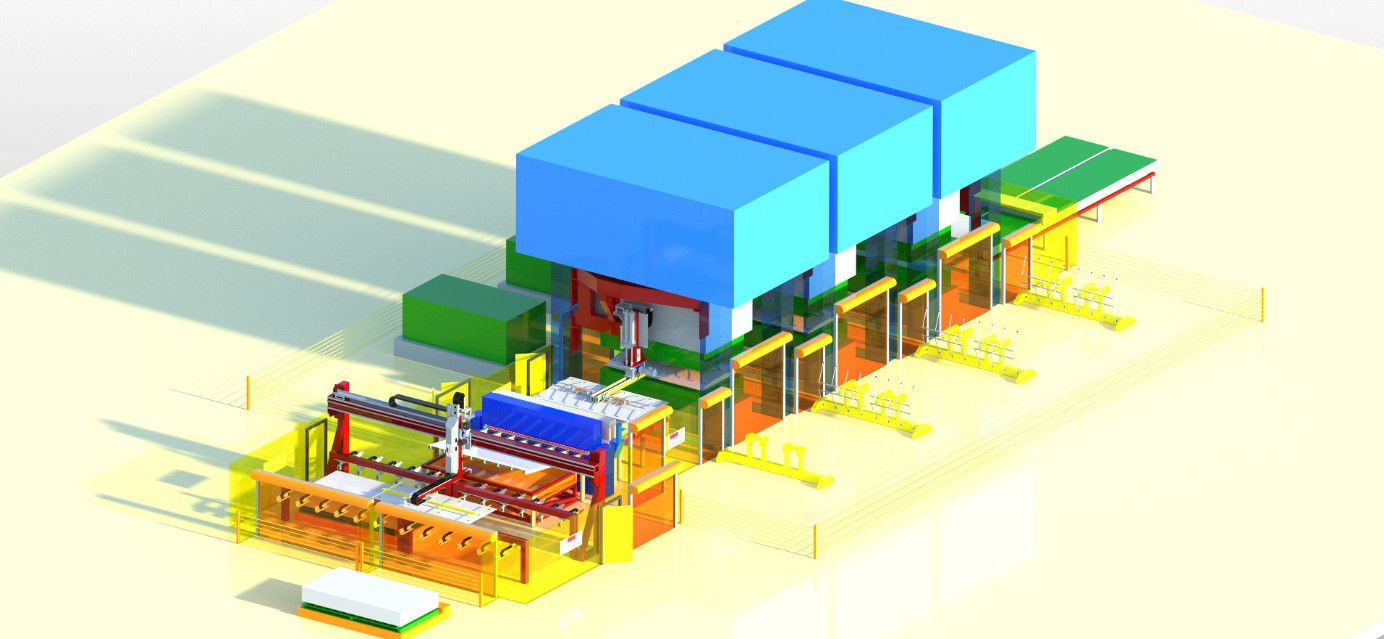
The 9///Press///FEED///Eco is a patent-pending feeder for tandem press lines of sizes 1 and 2. It is suitable for servo-mechanical, mechanical, and high-performance hydraulic presses with an electronic master shaft.
Thanks to its flat X-axis and drives located outside the tooling area, the system remains compact. The orientation kinematics are implemented via a transmission. This enables the feeder to achieve accelerations of up to 25 m/s². The transfer between the presses is linear, supported by an A-axis for inclined workpieces.
The feeder features 7 axes, 14 strokes per minute, a 100 kg load capacity, and automates press distances ranging from 5,500 to 10,000 mm. Fully automatic tooling change and alternating placement of components on multiple outfeed conveyors are standard features—ideal for small and medium batch sizes as well.
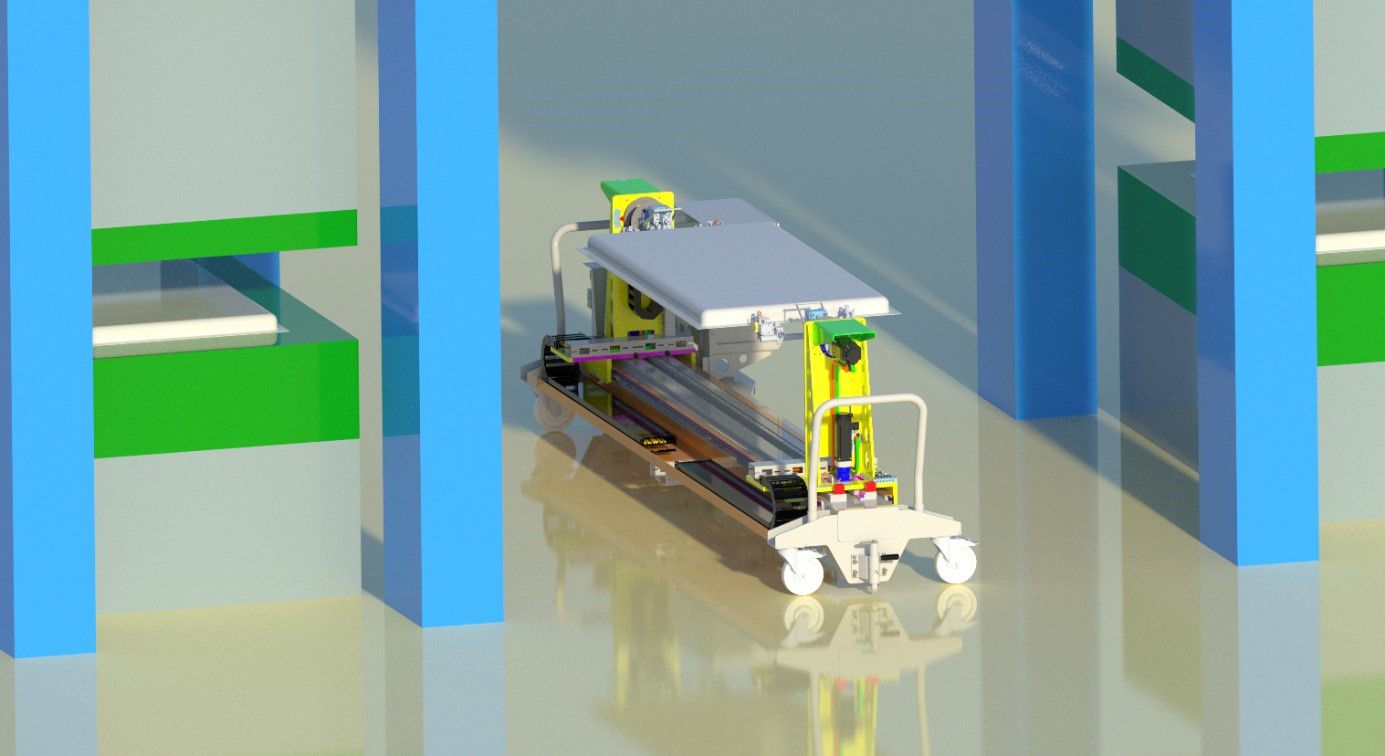
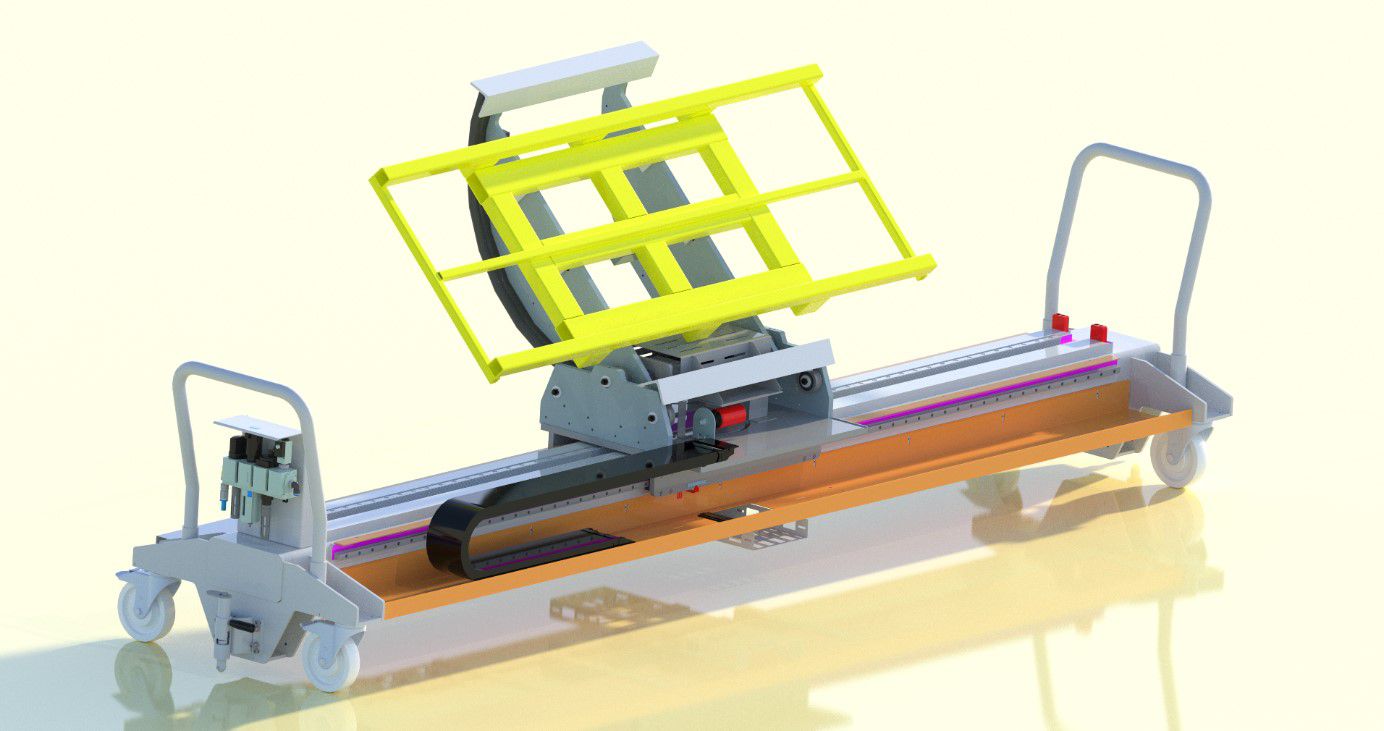
Within a press line, depending on the drawing press, it is necessary to turn moulded components within the first press gap in order to prepare them for the next pressing stage. This is especially true for units with double feeders within the intermediate press spaces. For this purpose, turning and alignment stations are used, which can also perform a stroke in the throughput direction. The turning stations usually feature two servo axes for 180° turning as well as automatic width adjustment of the turning grippers. For die changes, the entire unit can be moved out of the press gap.
In subsequent intermediate press spaces, alignment stations with up to four servo axes are used. They pick up the unloaded workpiece, orient it with precise positioning, and transfer it to the next loading feeder. In combination with a dual-feeder automation system, our turning and orientation stations offer a reliable and highly available mechanization solution for interpress automation.