

Flow and cycle assembly lines are an integral part of the HORSTKEMPER portfolio.
Flow and Cycle Assembly Lines
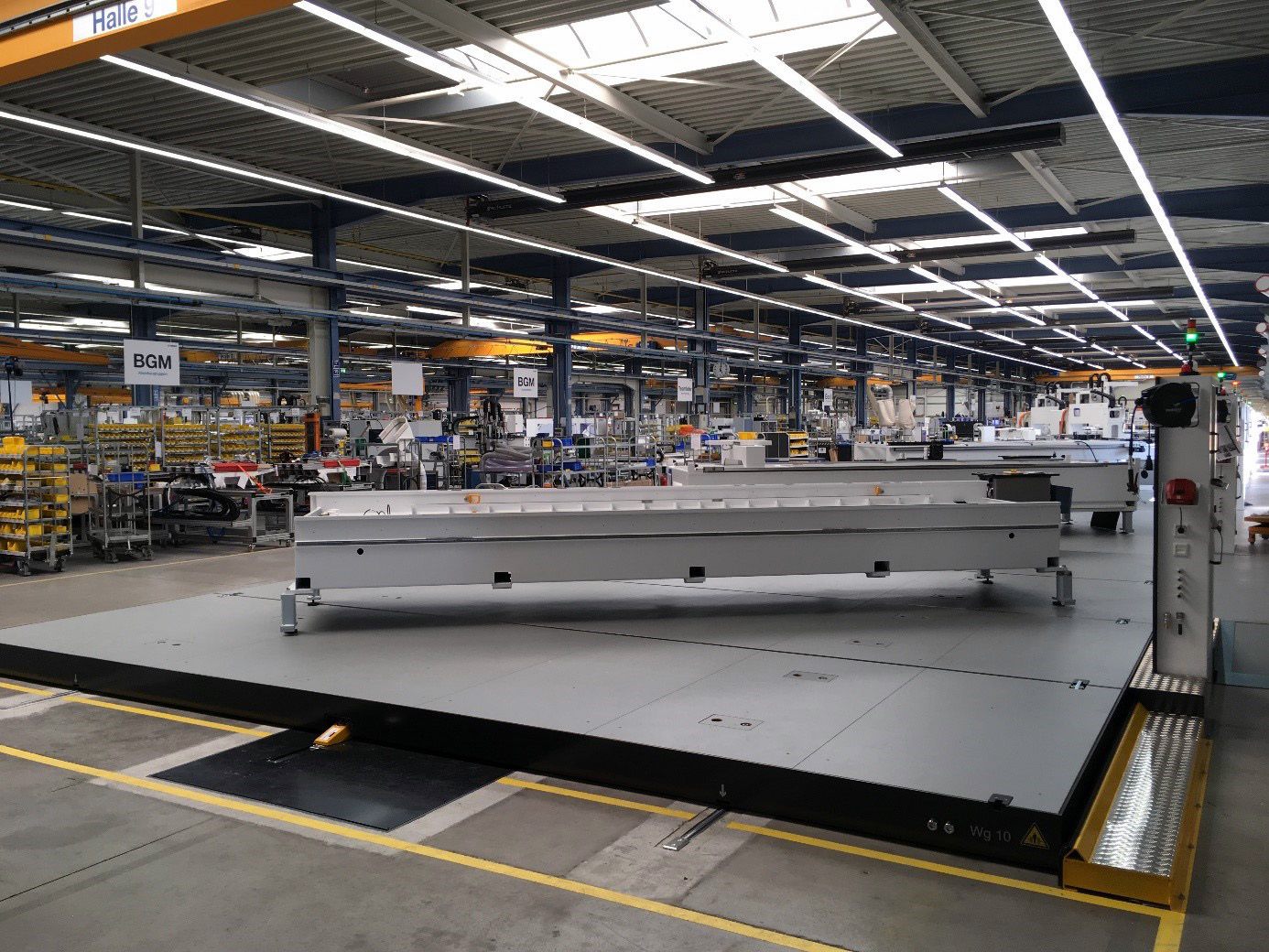
In flow or cycle assembly line production, the manufacturing of products is divided into sequential work processes and steps, and machines and tools are arranged accordingly. A well-known example is assembly lines in the automotive industry.
This system can be used in many industries, particularly by high-volume manufacturers, to increase the efficiency of assembly processes. HORSTKEMPER not only supplies the appropriate rail systems, but also advises, plans, designs, and builds the entire range of peripheral equipment for LEAN manufacturing, from trolleys and drive systems to inspection stations.
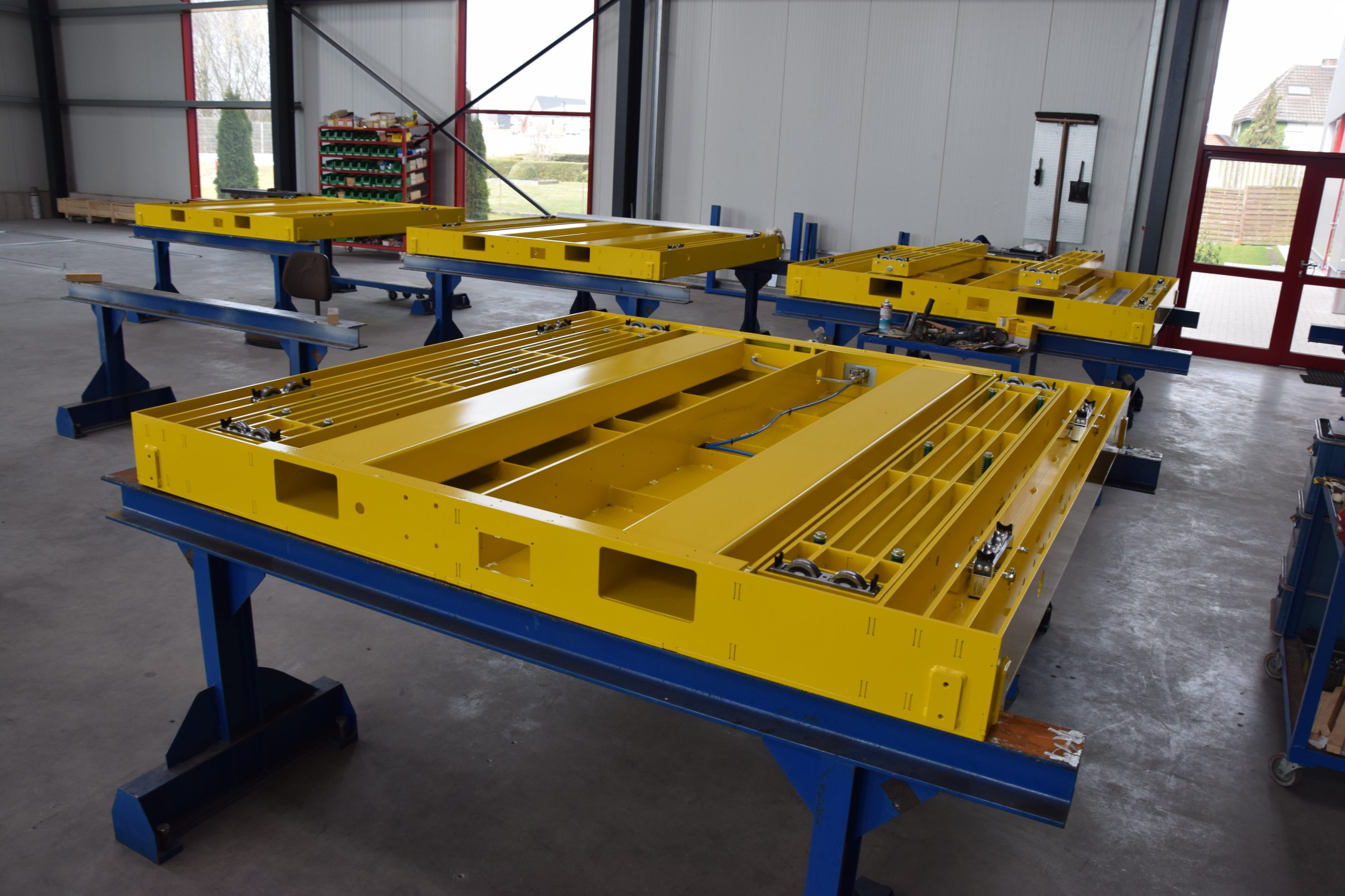
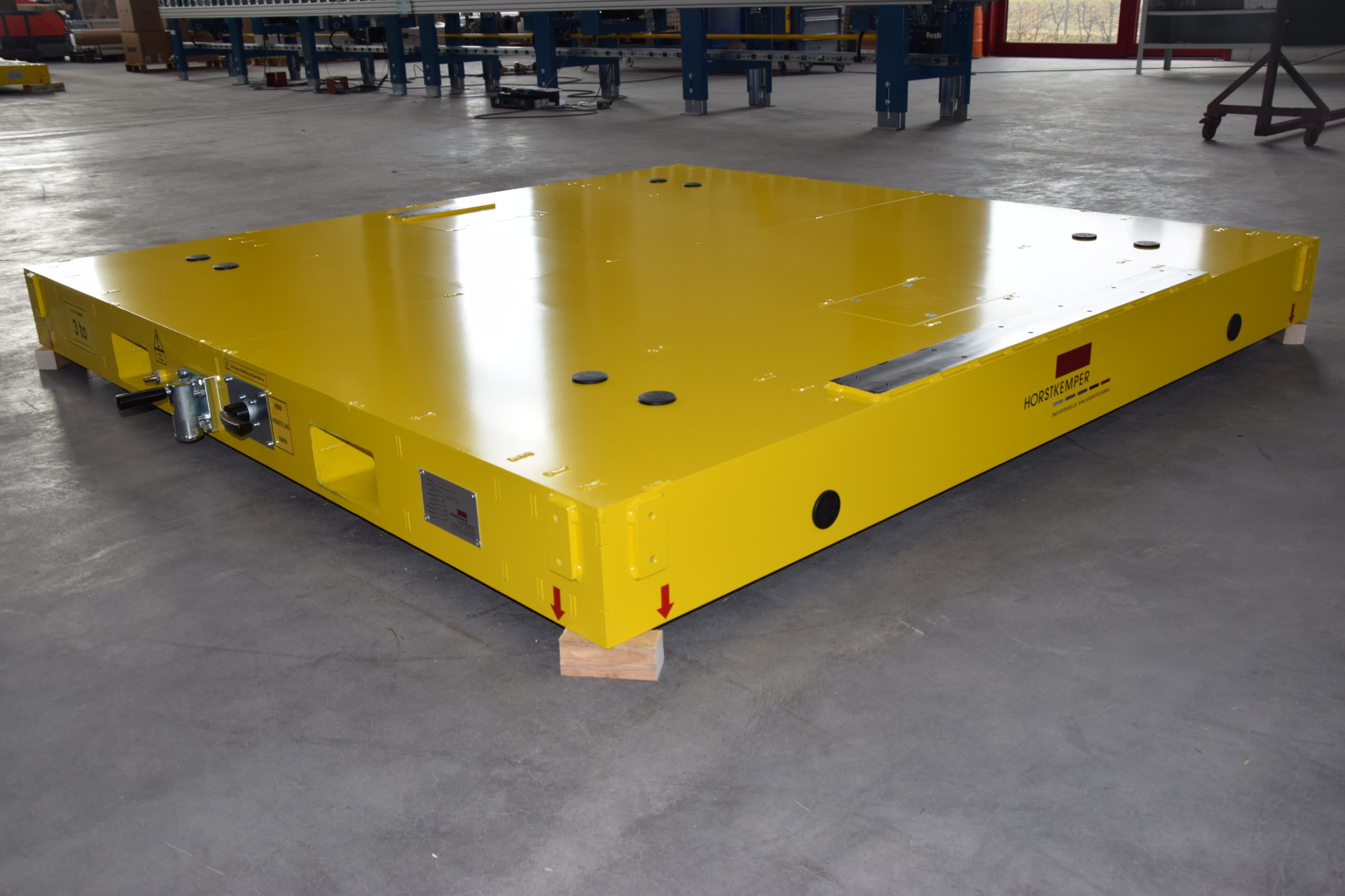
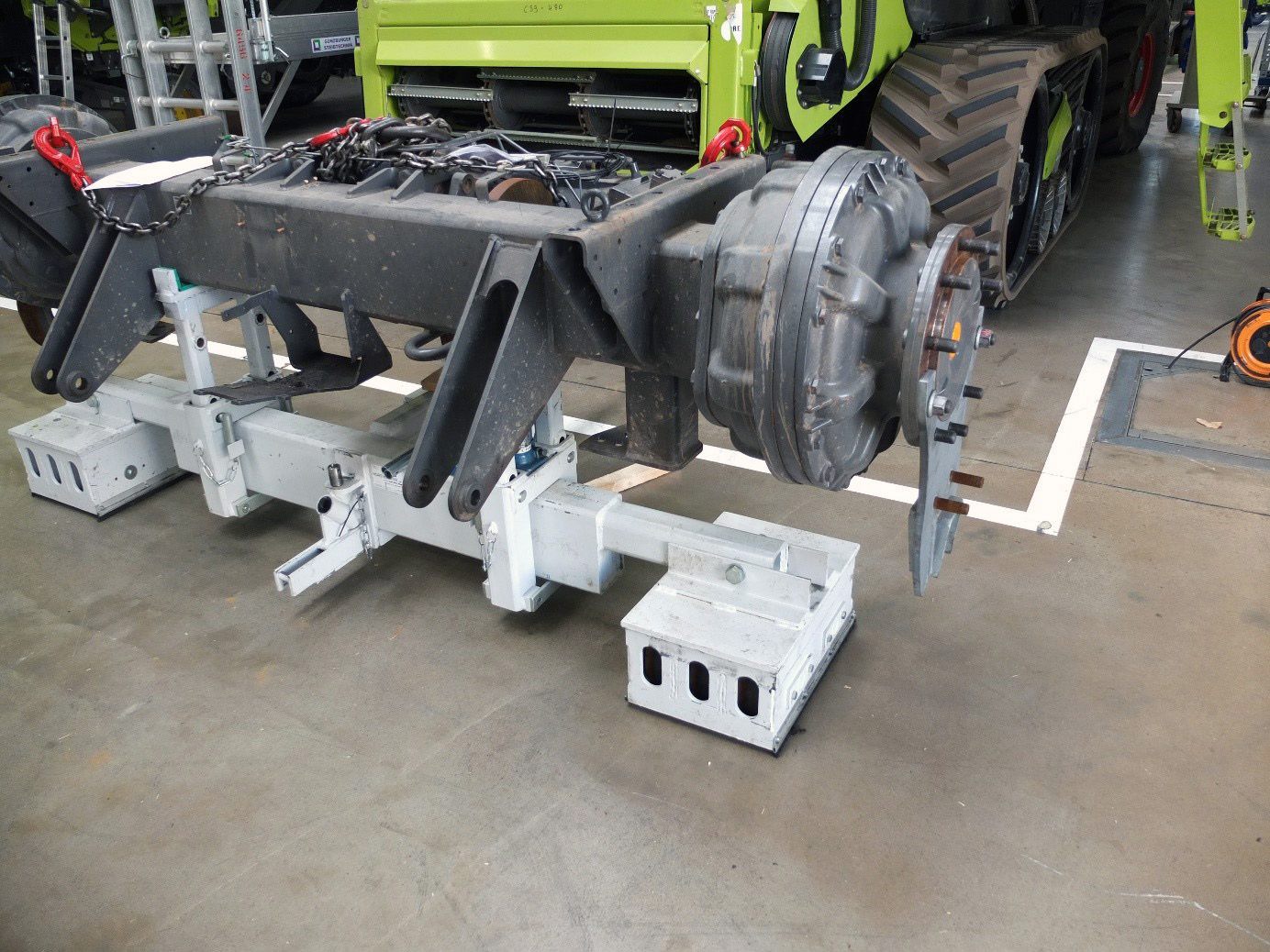
Transport carts, available in a wide variety of designs tailored to customer needs and specific applications, are a core component of our material handling systems. They vary in size, load capacity, and features—ranging from simple manual carts to battery-powered carts and AGV vehicles with inductive power supply.
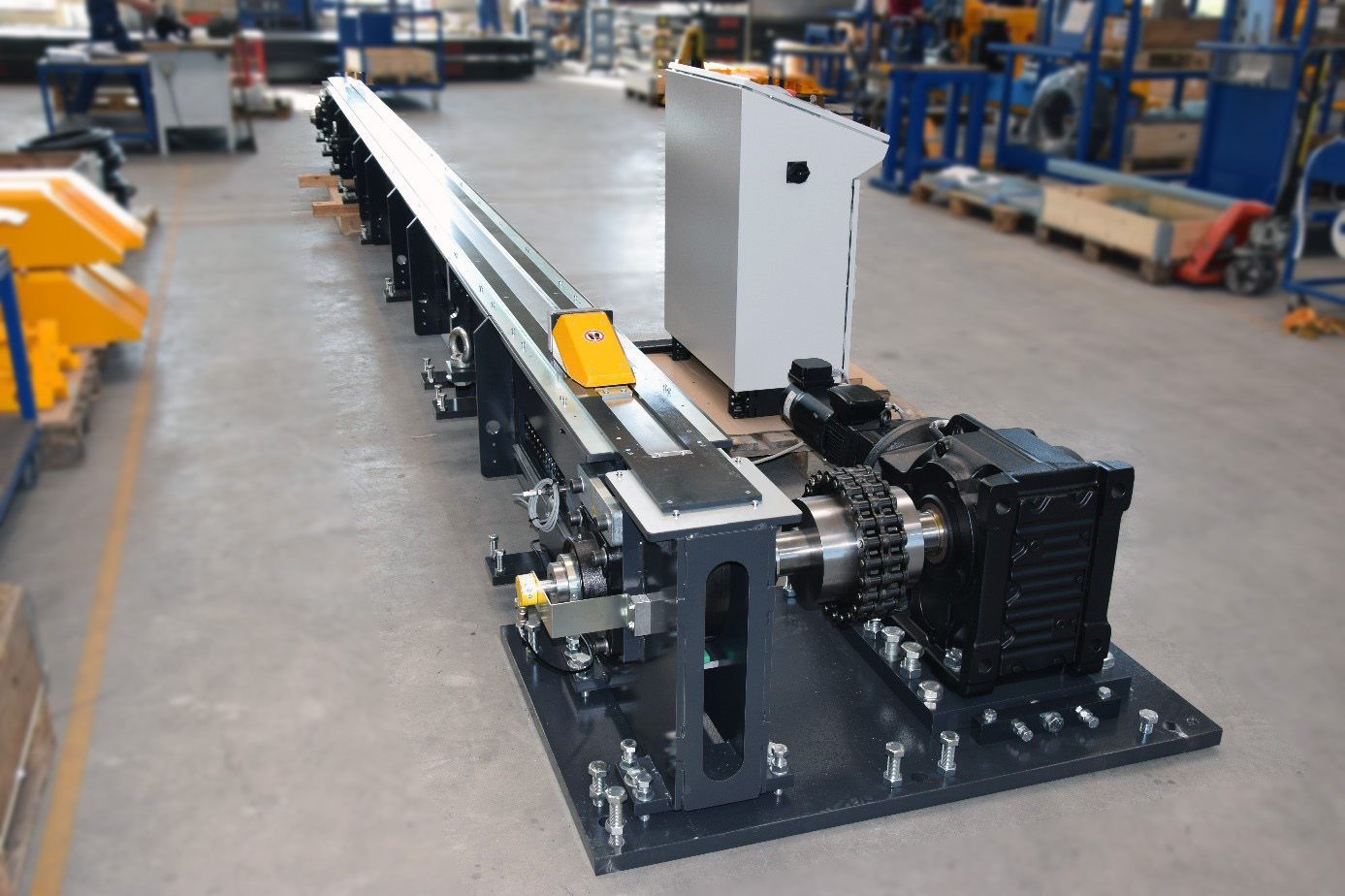
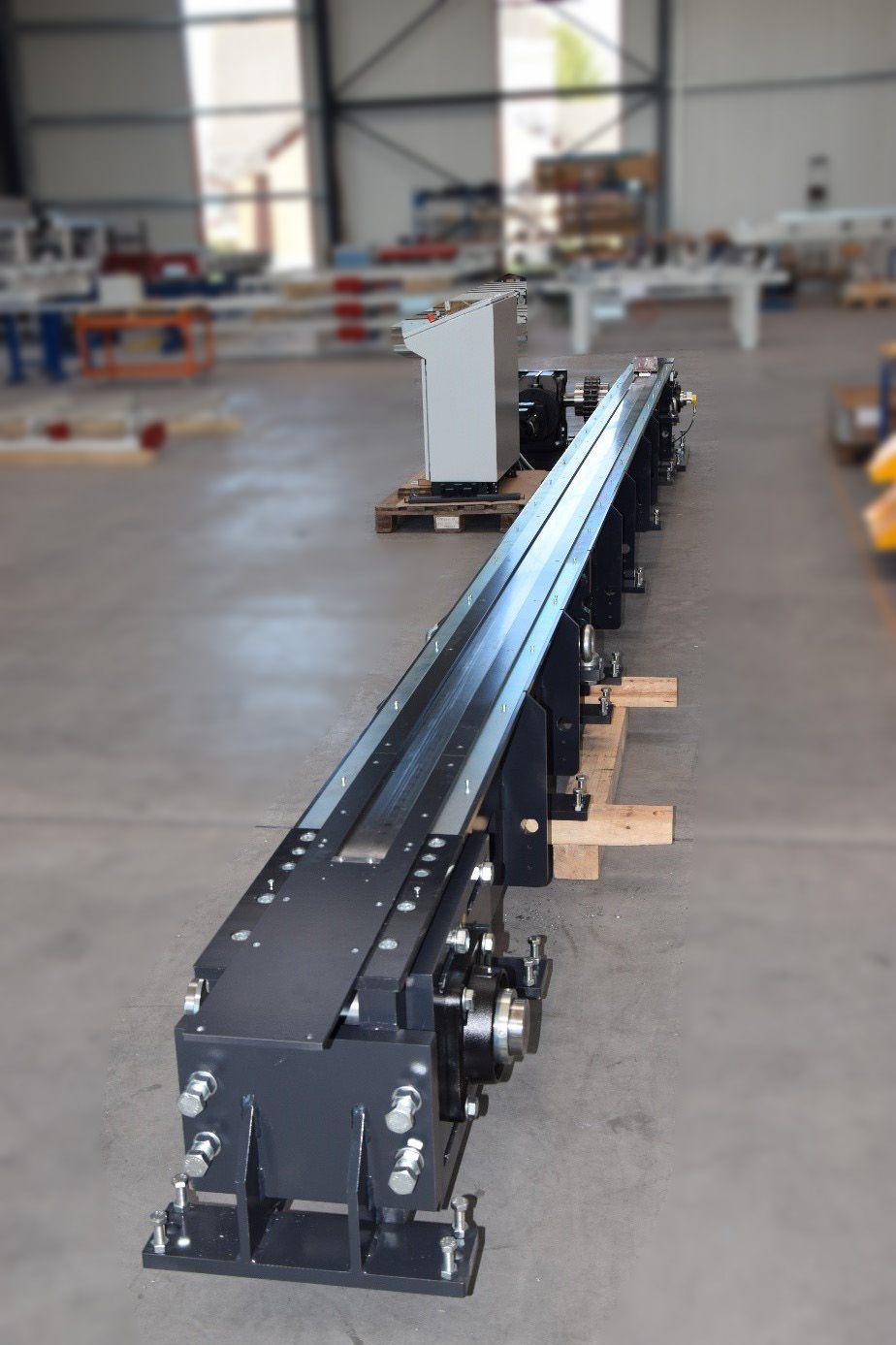
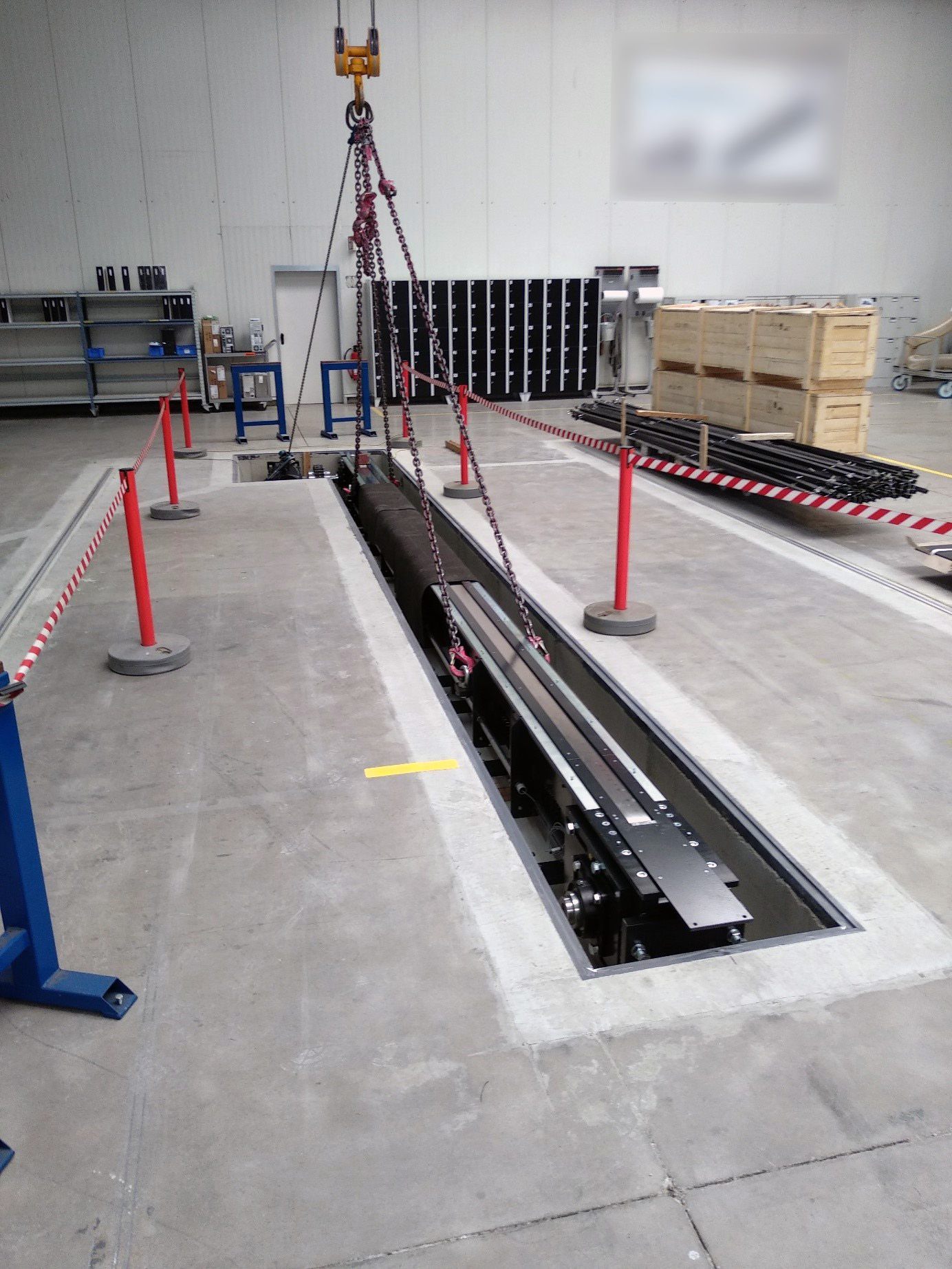
Precise synchronization of all assembly stations is crucial for the transition from station-based to flow assembly in high-volume production.
We supply both integrated drives on the platforms and central cyclic drives that move all assembly platforms simultaneously. This allows for the efficient positioning and synchronization of carts on the rail system.
Flow assembly lines of up to 100 m in length and with a total weight of up to 600 t can be easily synchronized. The return stroke of the cycle drive occurs during the dead time while assembly continues, thereby minimizing the effective cycle time. At the same time, all assembly platforms remain passive machines, so no complex peripheral supply is necessary.
At the end of a cycle assembly line, a change in direction is often required. HORSTKEMPER achieves this by using intersection elements designed to fit the rail system and carriages with cross-axle assemblies. The change in direction can be accomplished directly within the carriage by means of a second axle assembly positioned at a 90° angle.
Alternatively, rotating stations can be used that are integrated flush with the floor into the foundation and can be easily passed by standard industrial trucks without obstructing the flow of materials.