

HORSTKEMPER destackers are used in tandem press lines, transfer presses, large-capacity vacuum presses, and servo press lines.
Destackers
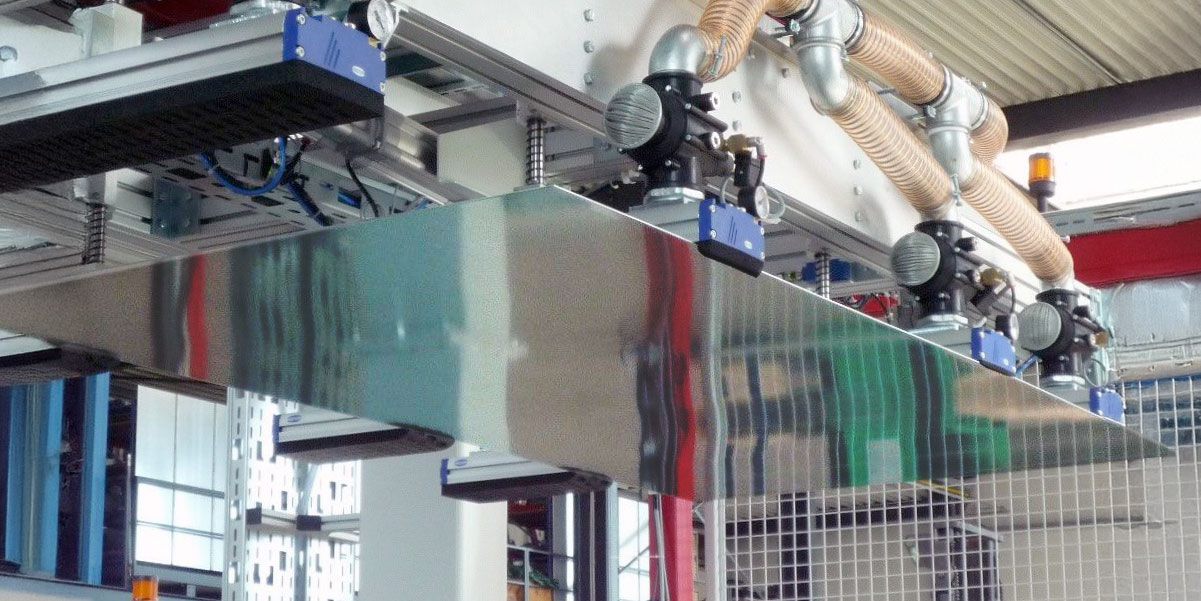
They are designed for maximum speed and are based on efficient, solution-oriented mechanical engineering—from retrofits to fully automated systems with tool changes.
T-shaped and in-line designs enable high flexibility for single and multiple steel or aluminum blanks while ensuring maximum availability.
Thanks to our in-house manufacturing, we have extensive process expertise. Additional surface treatment machines are seamlessly integrated via defined interfaces.
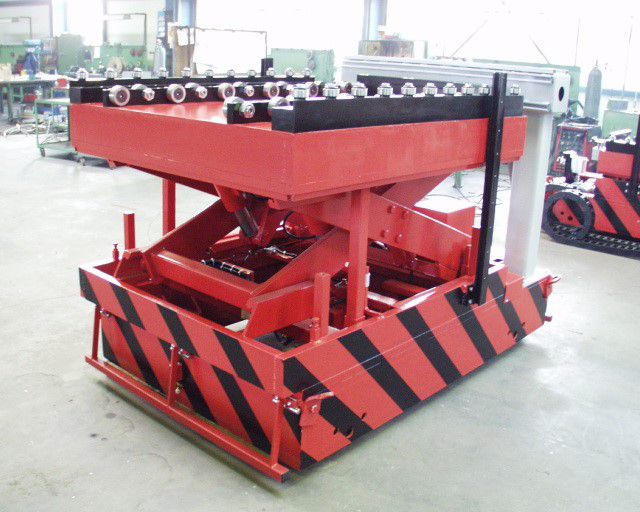
Our blank carts are a key component for a trouble-free destacking process. They handle the entire stack of blanks—with or without a pallet—and reliably convey it to the destacker.
Depending on the system configuration, the blank feed ranges from stationary destacking tables to retractable carts with an integrated lifting function and stack alignment.
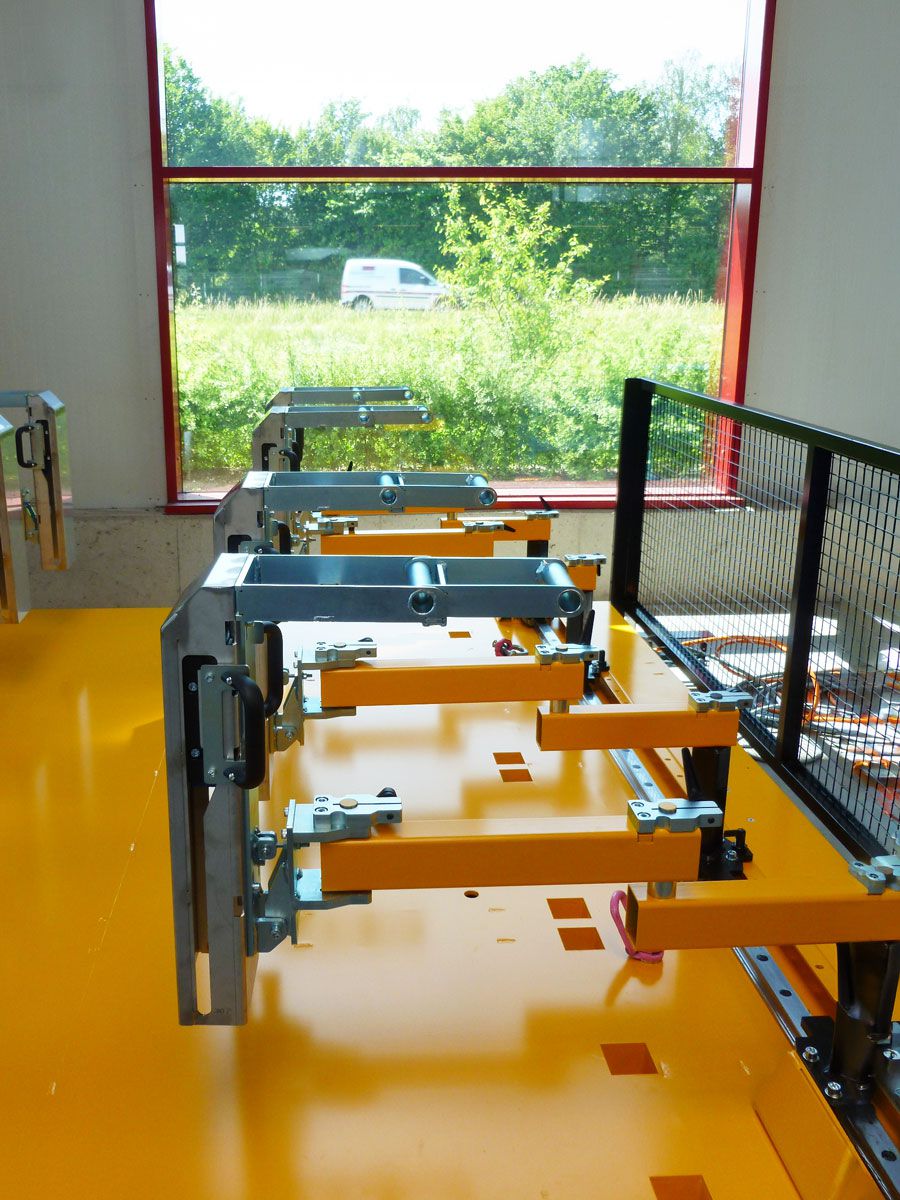
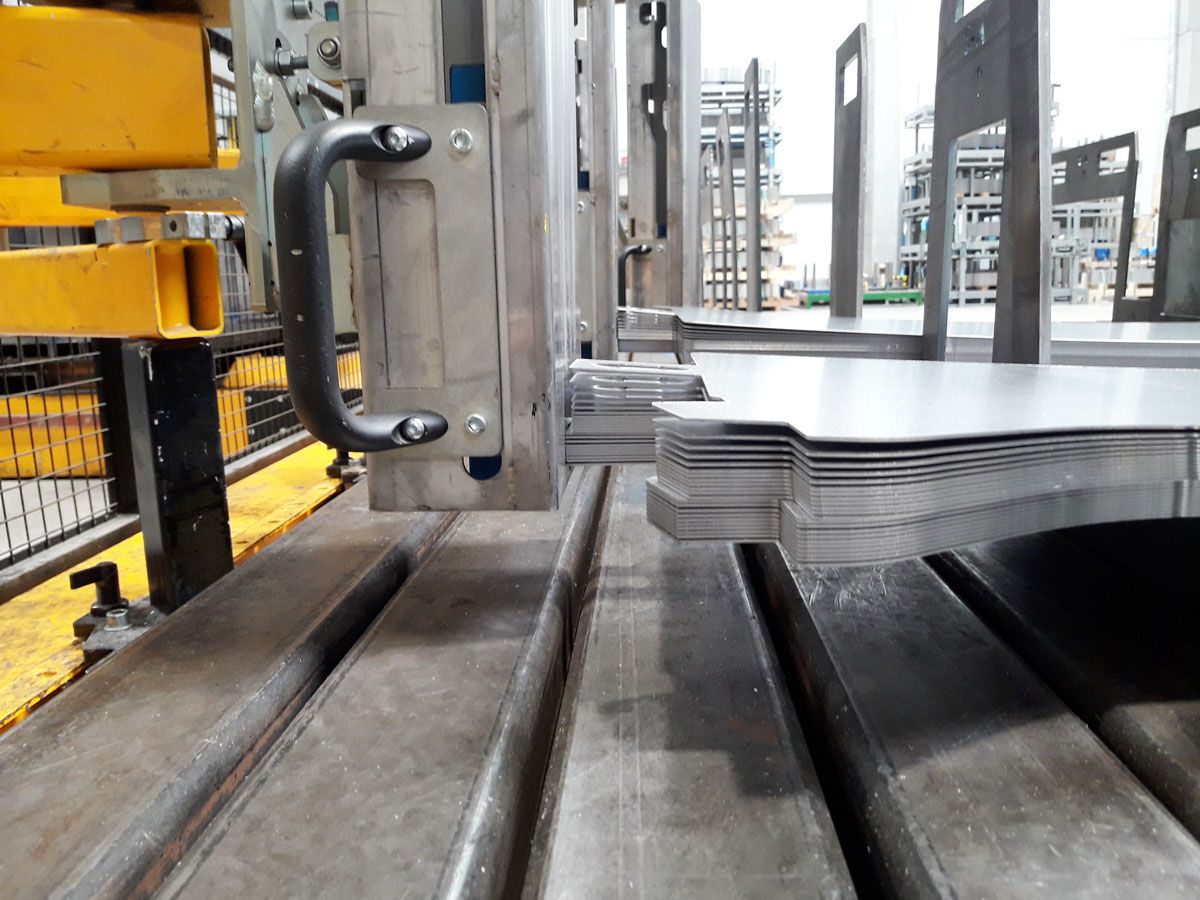
HORSTKEMPER supplies the complete technology for separating the blanks at the destacking stations. Steel blanks are separated using spreader magnets. For non-ferritic materials such as aluminum or stainless steel, supplementary systems are available that can be combined with the magnets. Depending on material requirements, air nozzles, mechanical separators, or suction frames with a peeling function are used. The degree of automation of the spreading station can be customized.
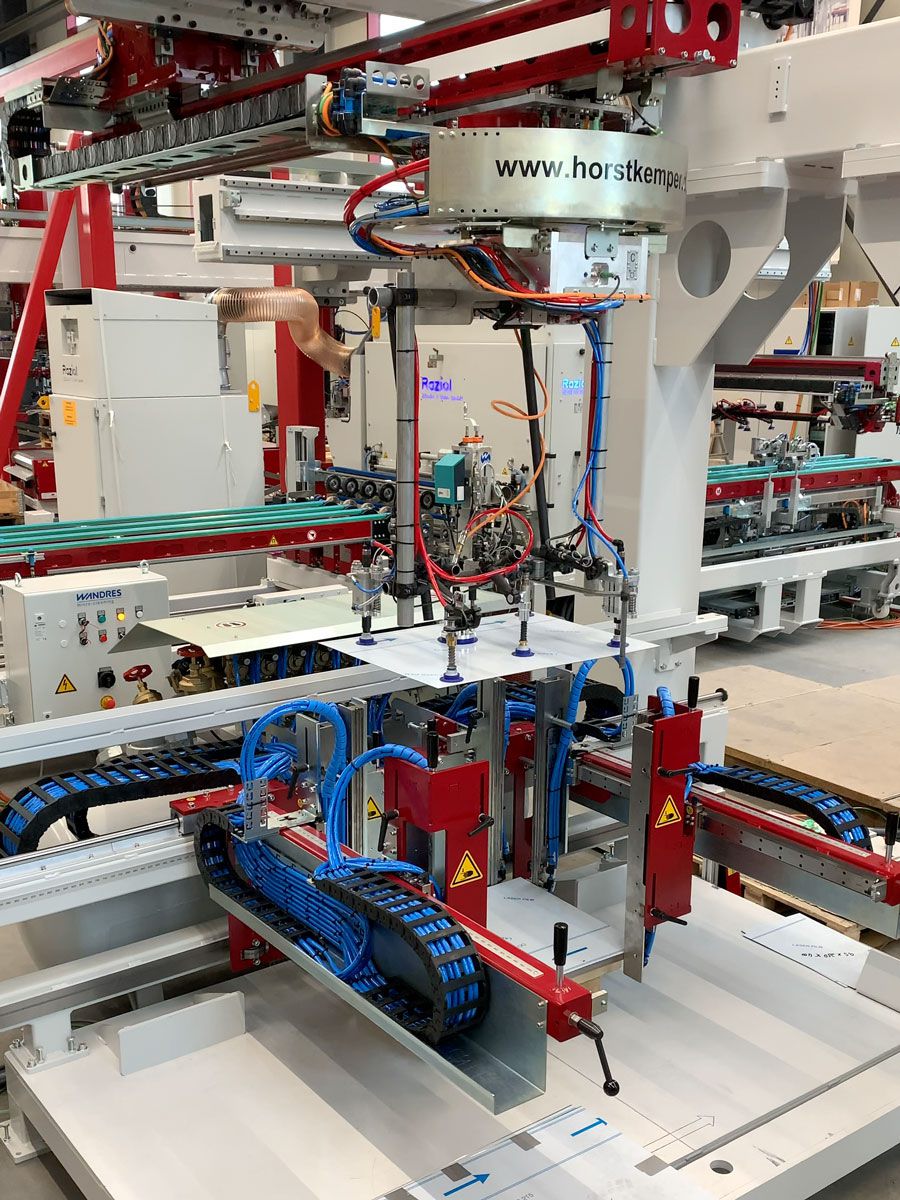
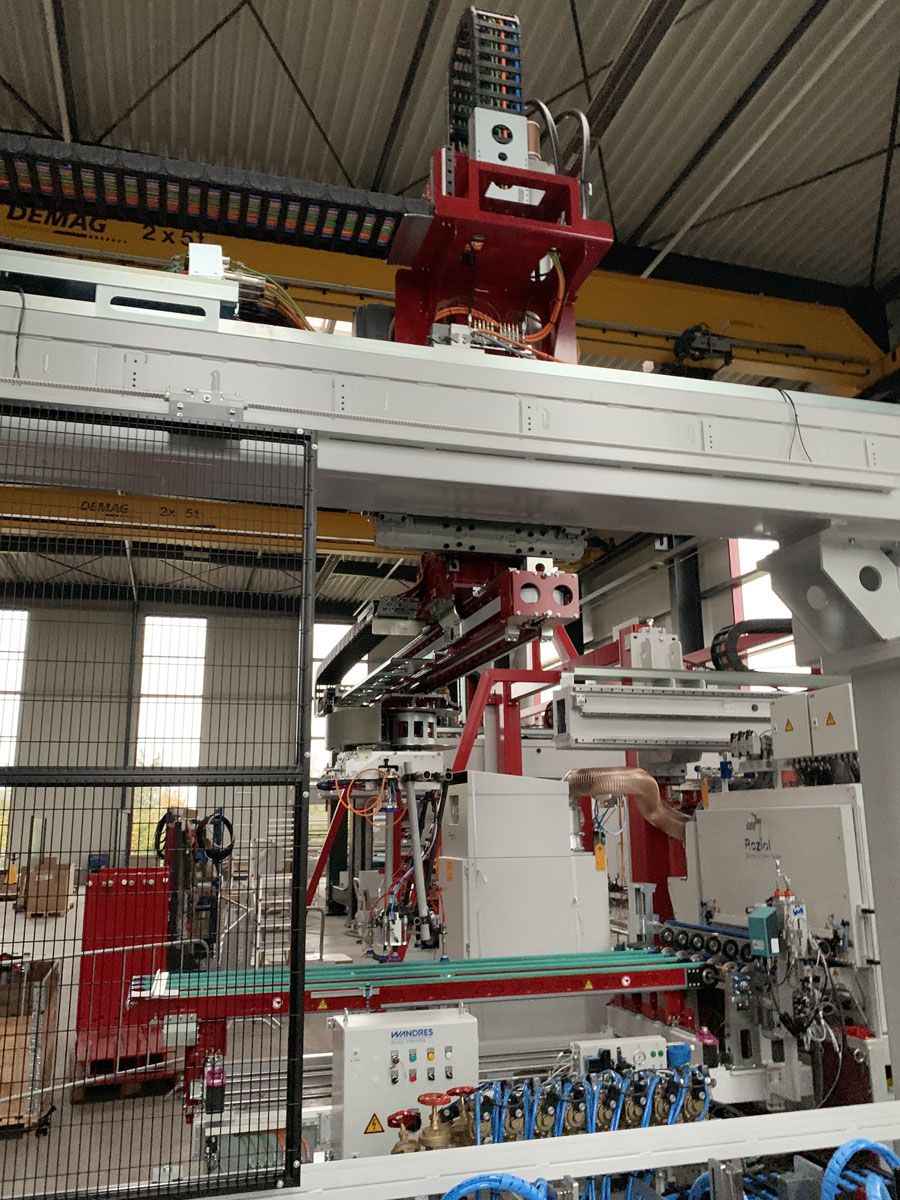
Destacking feeders handle the separation of the blanks. Thanks to modular assemblies, the degrees of freedom, number of axes (up to 5), and ranges can be flexibly configured.
HORSTKEMPER offers feeders in several sizes with vertical load capacities of up to 400 kg. As standard, each destacker operates with one feeder. For high-performance destackers with a rate of up to 30 strokes per minute, a second feeder is typically used in alternating parallel operation to achieve the required throughput.
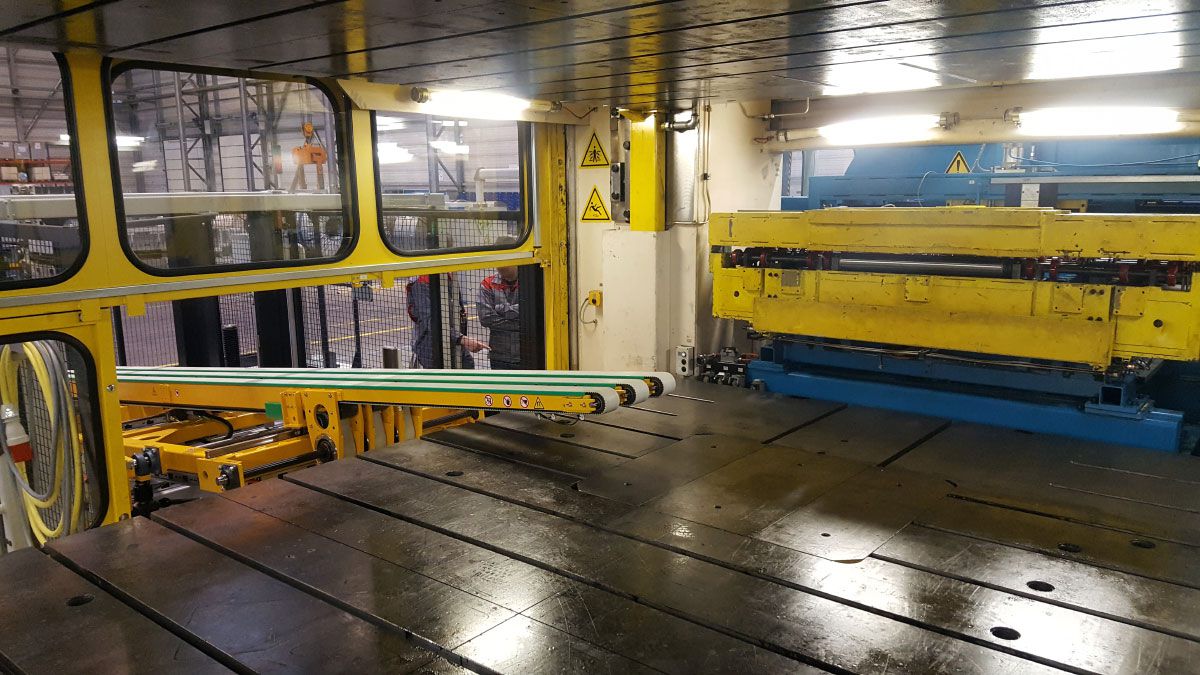
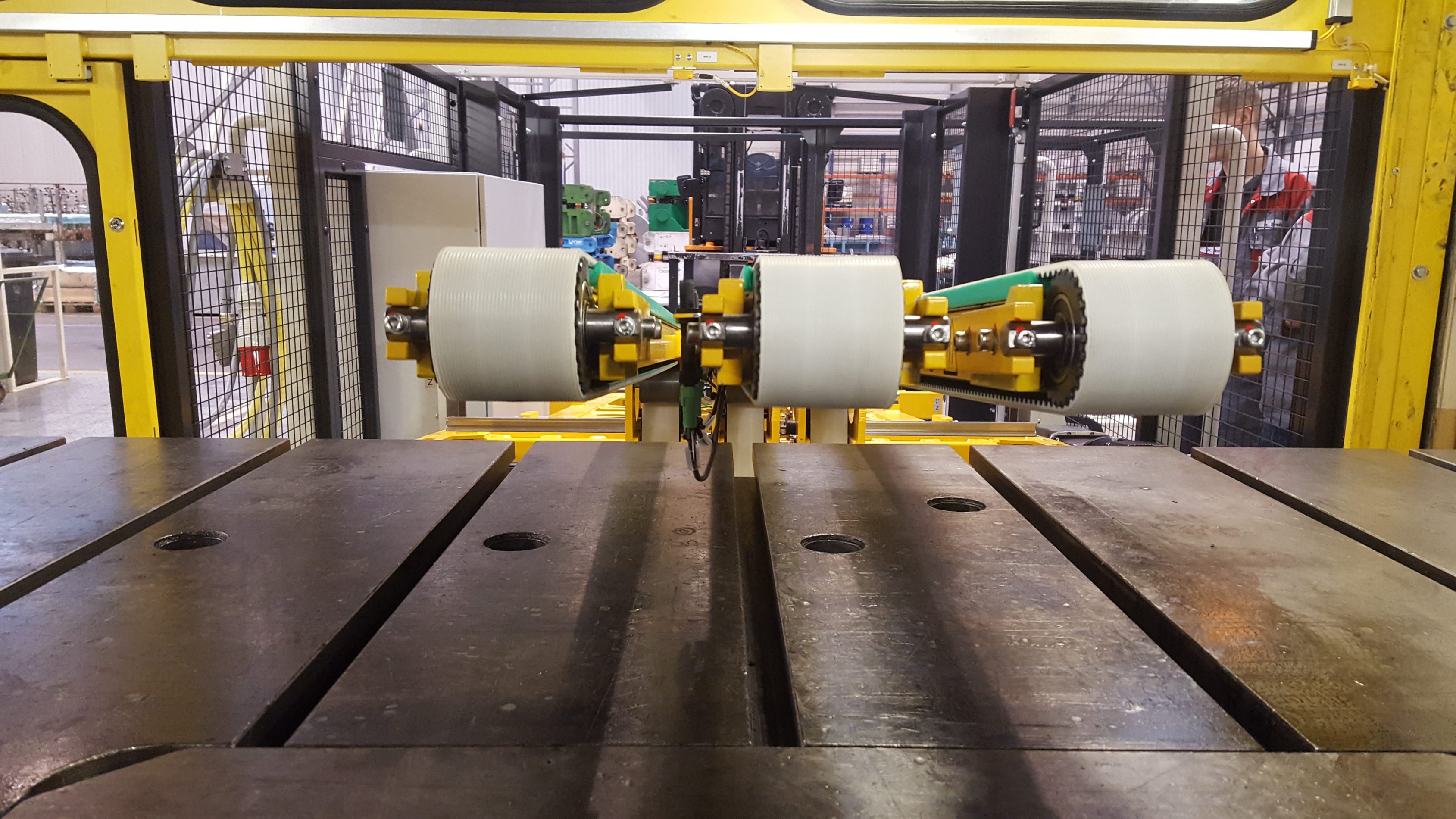
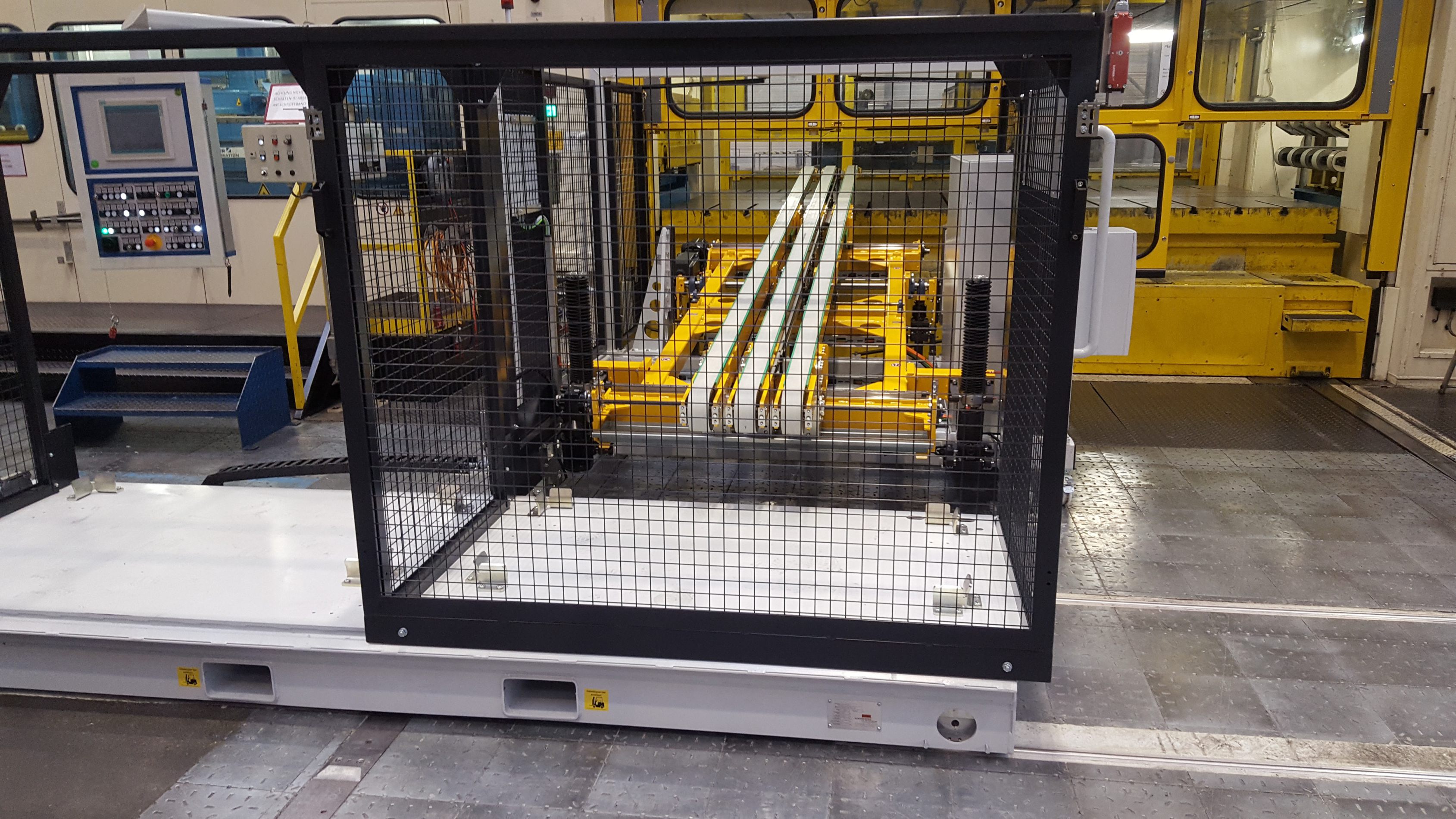
HORSTKEMPER magnetic belts are partially magnetized and enable friction-driven transport of ferritic blanks—with accelerations exceeding 10 m/s². They feature specially coated belts for optimal grip.
For non-magnetic materials such as aluminum, we offer vacuum technology that transforms the magnetic belt into a hybrid belt. Additional options include telescoping strands, height- and side-adjustable designs, and integrated belt cleaning.
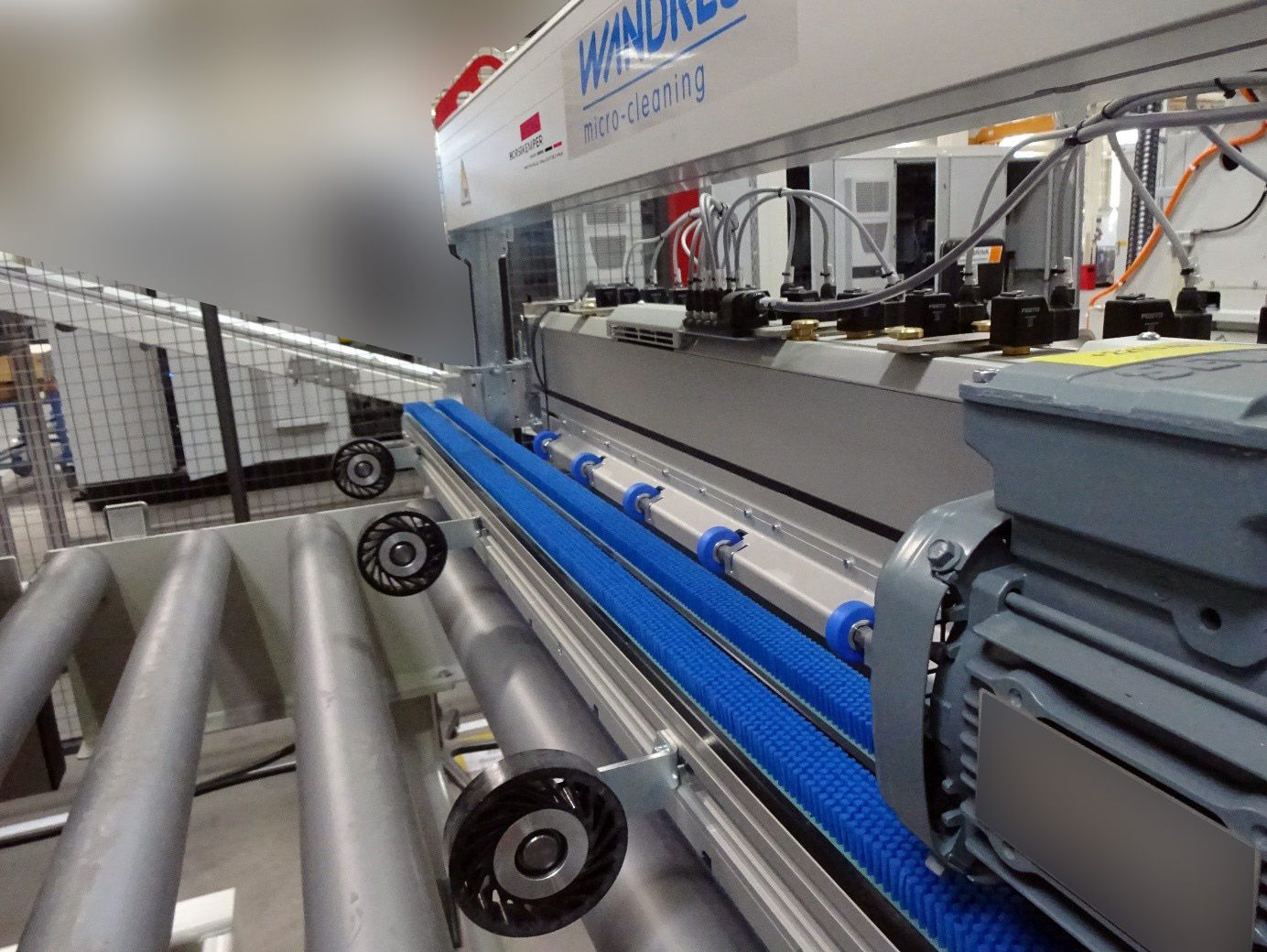
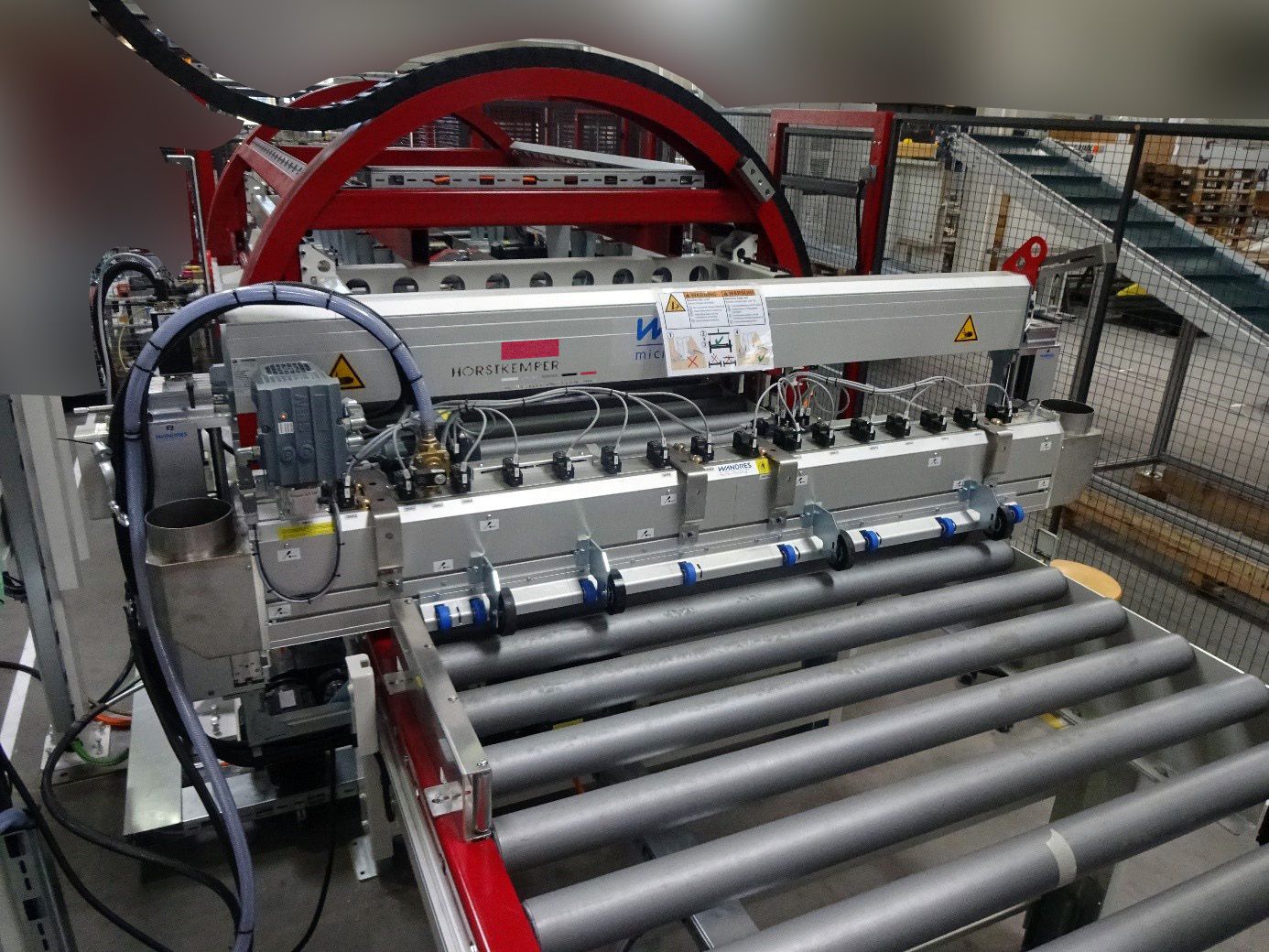
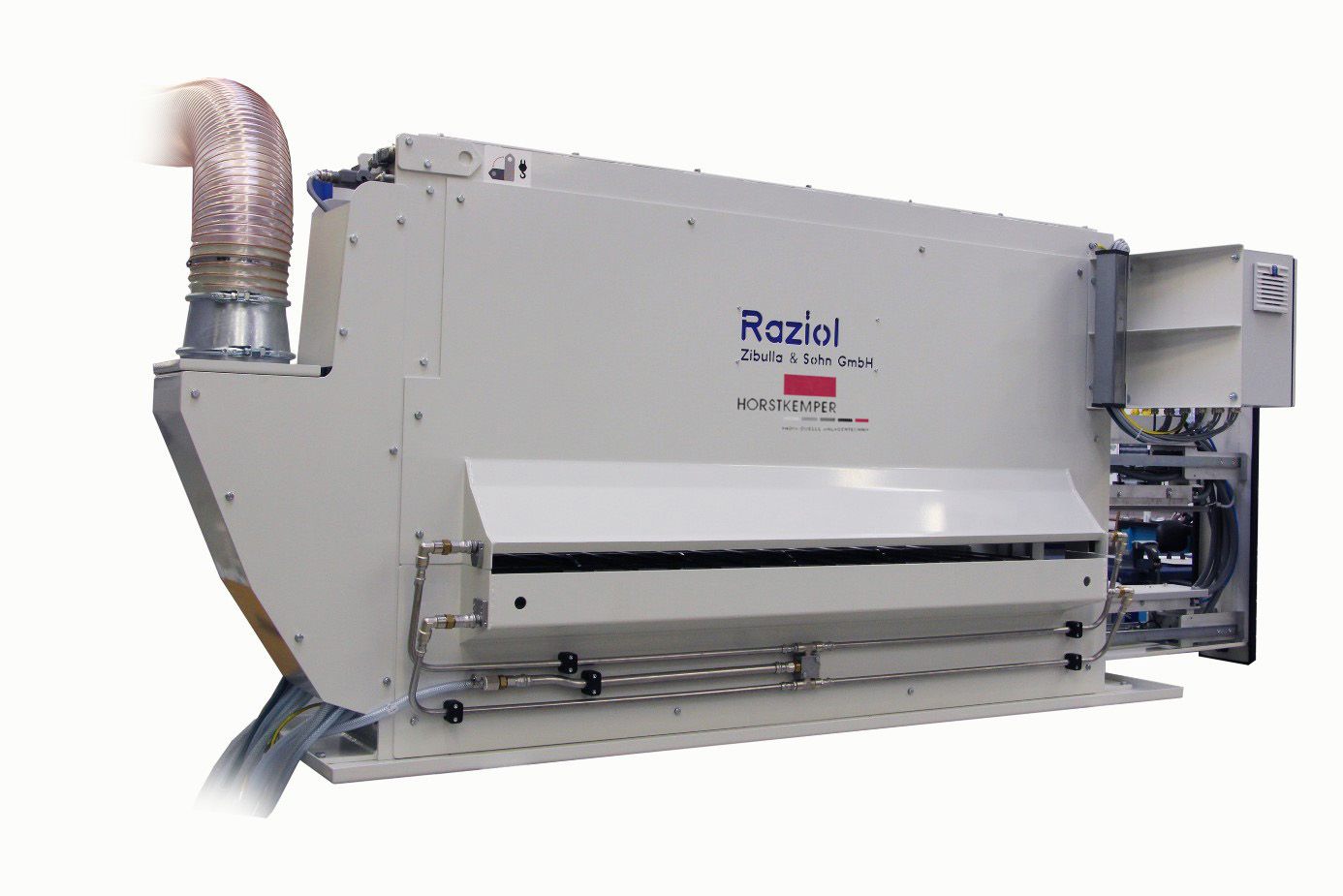
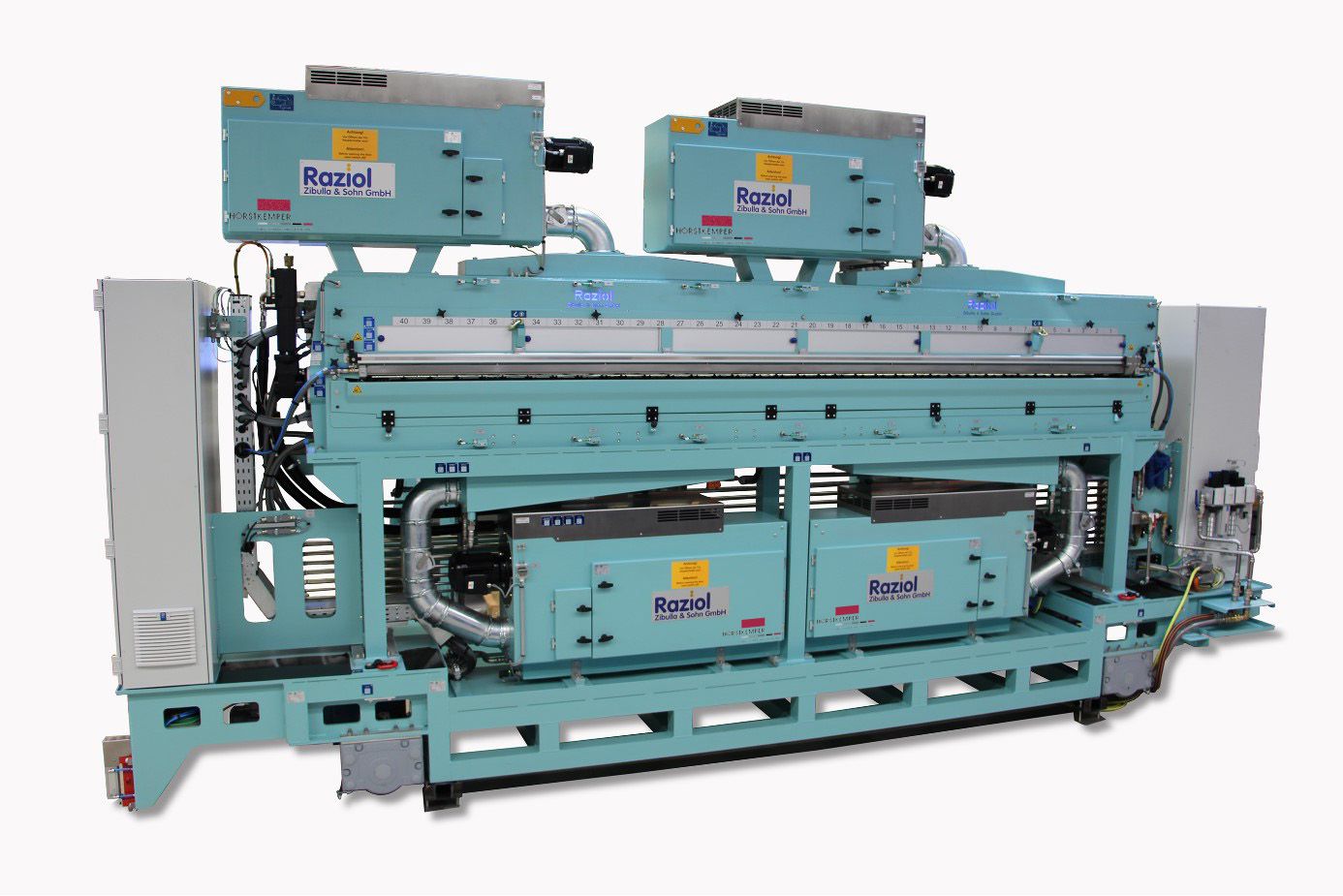
After destacking, the blanks are cleaned and oiled. To achieve this, we reliably integrate surface treatment machines from reputable partners into the destacker . Defined interfaces for brush cleaning and oiling facilitate the integration. This allows our customers to receive a comprehensively designed destacker as a turnkey solution from a single source.
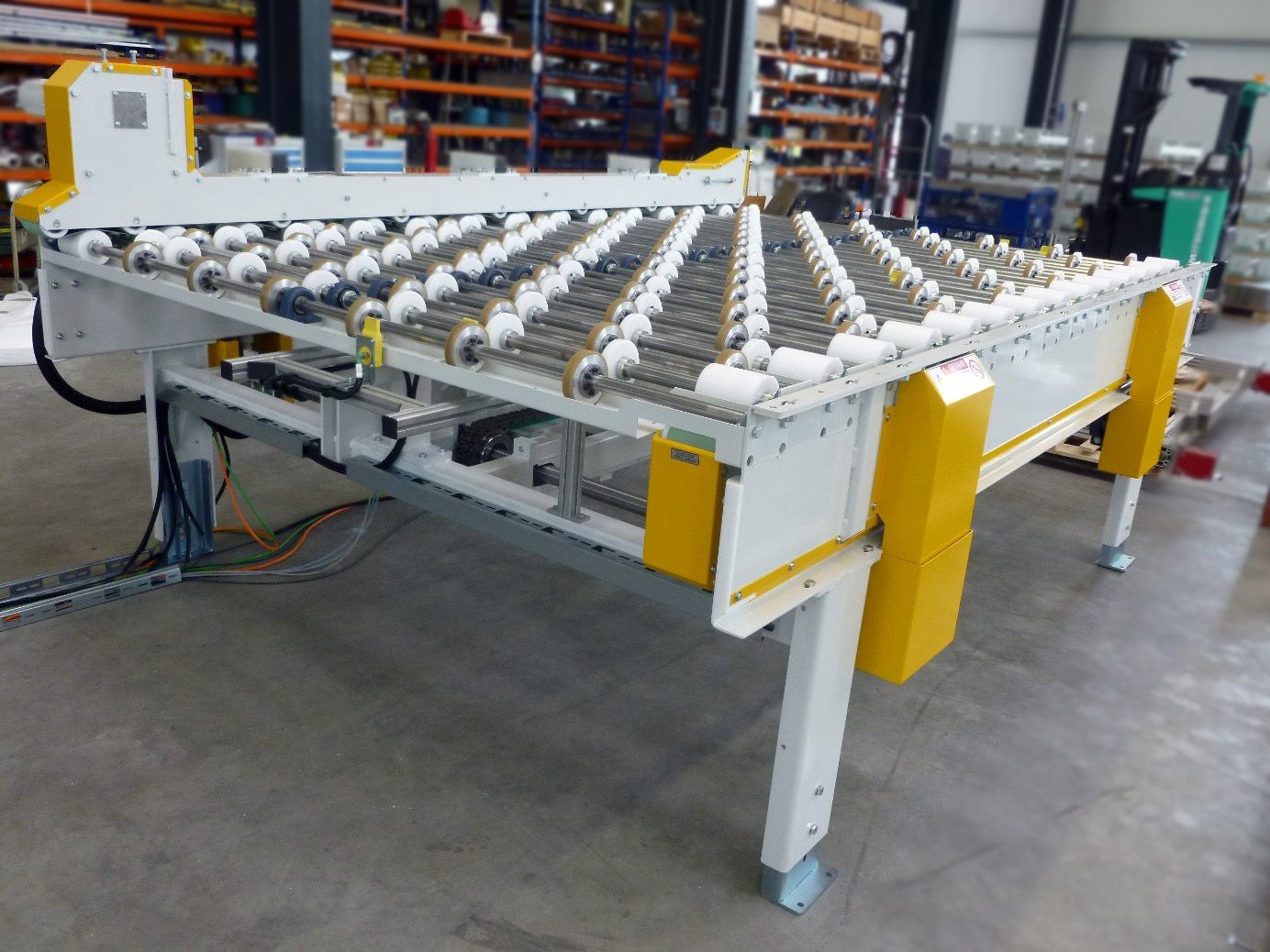
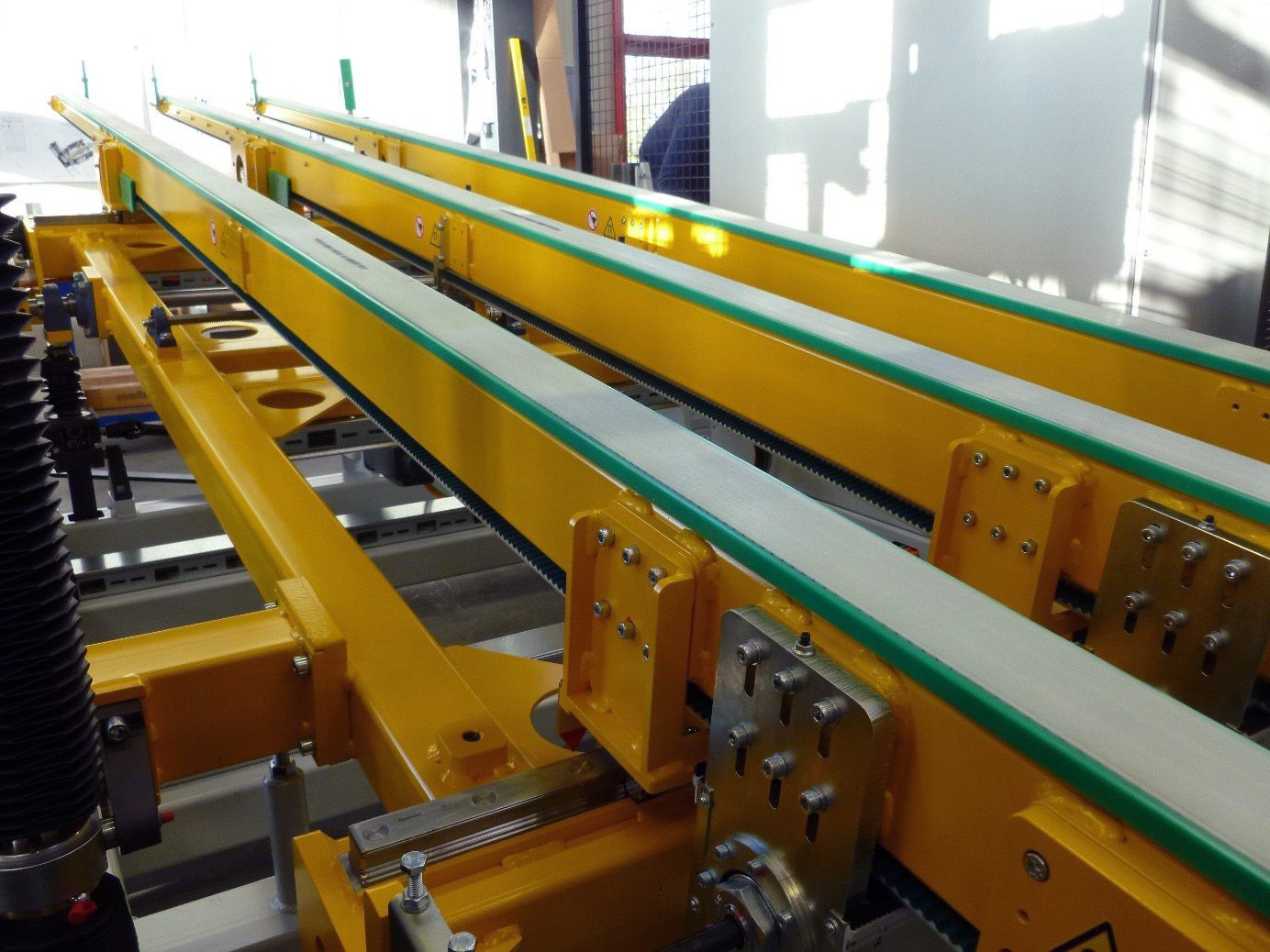
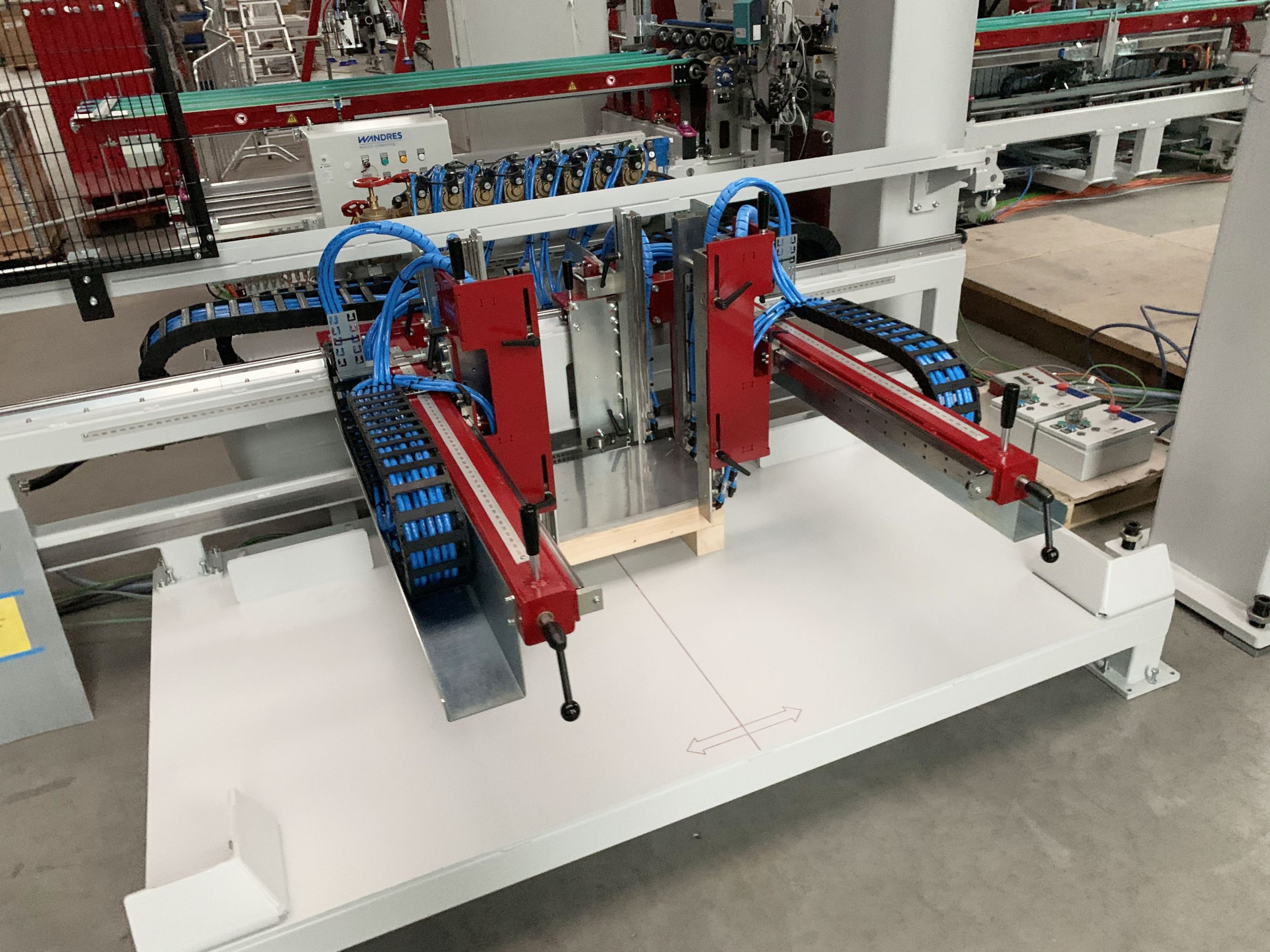
Our centering stations offer high flexibility and can be individually adapted to different destackers. Single and multiple blanks (up to four at a time, e.g., 2 side by side, 2 in a row) are efficiently centered on all sides using side pushers and dynamic stops. Each centering finger is servo-driven and can be adjusted fully automatically to any blank dimensions.
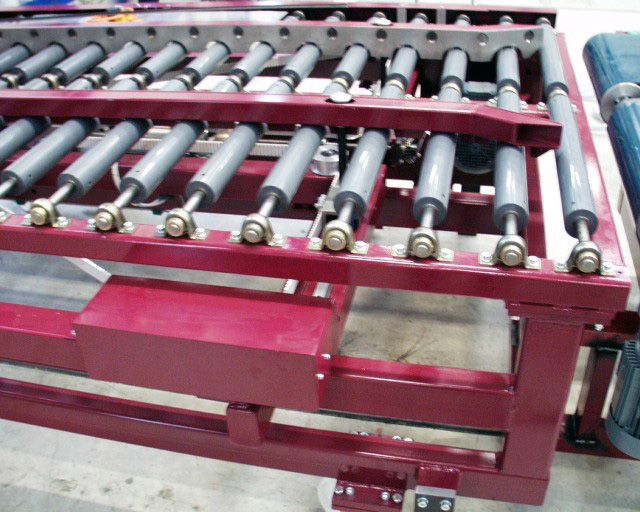
The conveying system ranges from roller conveyors to toothed belt conveyor lines with a switchable magnetic system; all lines feature automatic lateral adjustment. Additional options: automatic height adjustment, telescoping capability, belt cleaning, and double-sheet detection.
Capacity: up to 15 strokes per minute for tandem presses, up to 30 strokes per minute for transfer presses.
Destackers with oiling systems can be equipped with shuttle systems for centering and conveying. The individual centering nests ensure reliable centering, oiling, and conveying of blanks and multi-blanks. The centering nest receives the blank from the destacker and guides it safely to the loading position of the first press.